
17,00 €
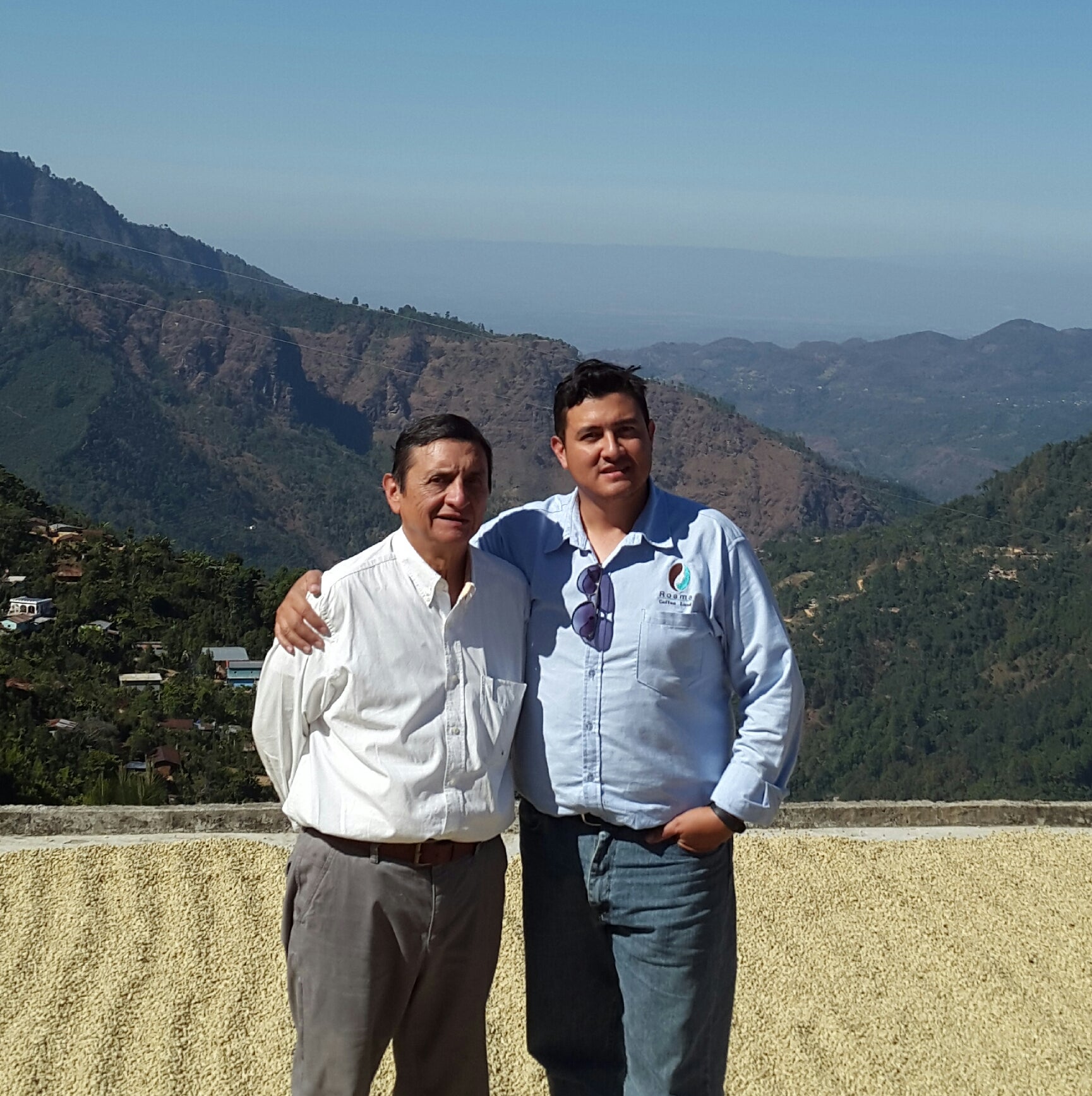
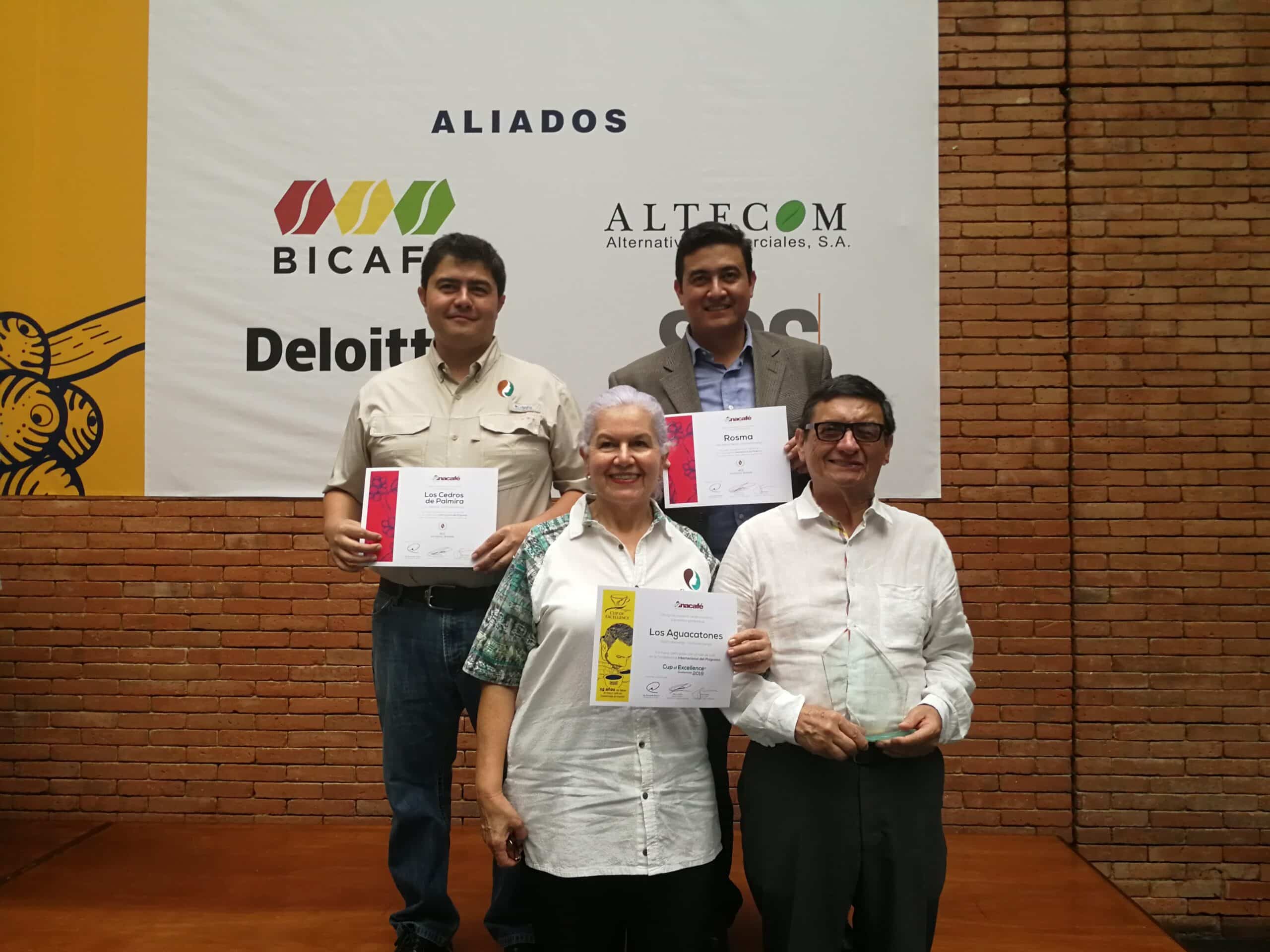
Finca Rosma was first purchased by Alejandro Morales in 1963. In 1980, his son, Fredy Morales, took over the farm and renamed it Rosma, after his own wife, Rose Mary.
When Fredy took over the farm, the only way to transport coffee was to on the back of mules. Together with nearby community leaders, Fredy and the community built a road that makes it easier for producers to transport coffee to market. Another project Fredy undertook was building a pipeline that brings fresh water to the farm from a spring 5 kilometers away.
This Bourbon Fully washed lot from Finca Rosma offers a sweet flavor profile with sugary fruit notes and a lingering finish.
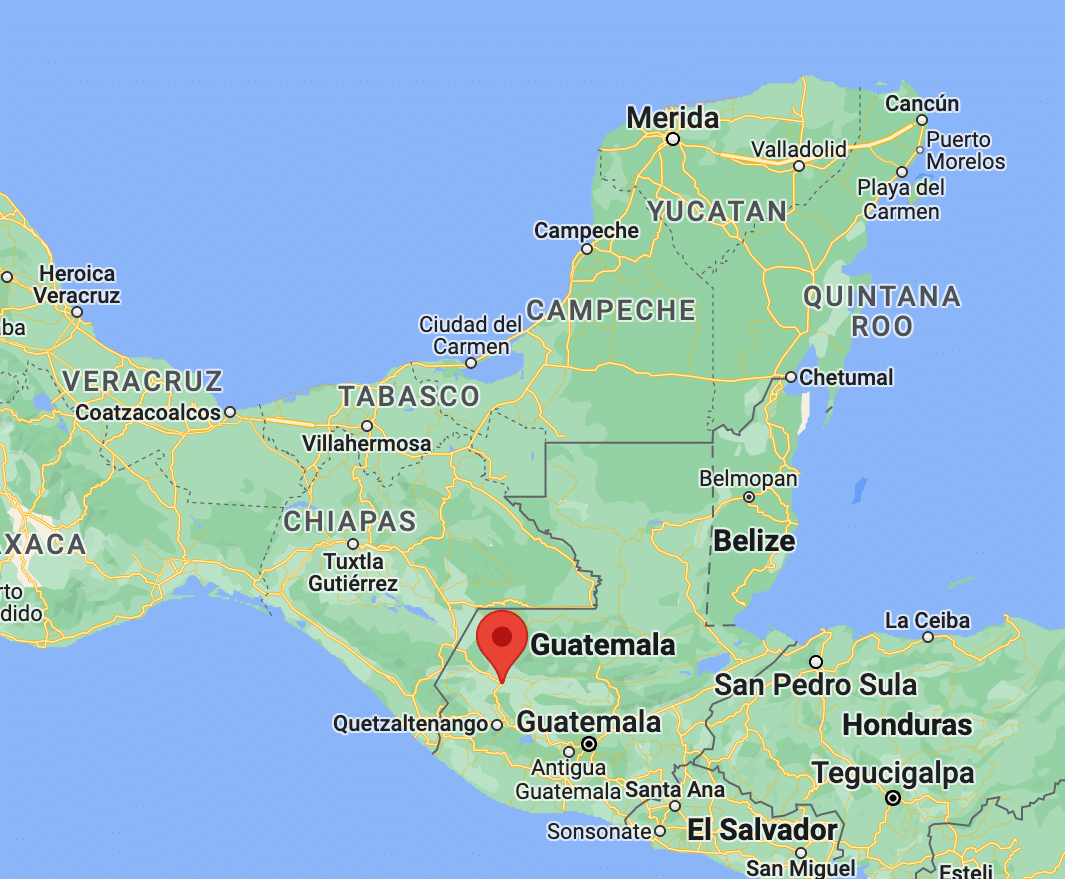
The high altitudes of 1,500 to 1,850 meters above sea level, along with fertile volcanic soils of the Huehuetenango region, create an optimal microclimate to cultivate coffee. Favorable climate conditions promote a slow maturation of cherries, resulting in sweet, dense beans with unmatched complexity.
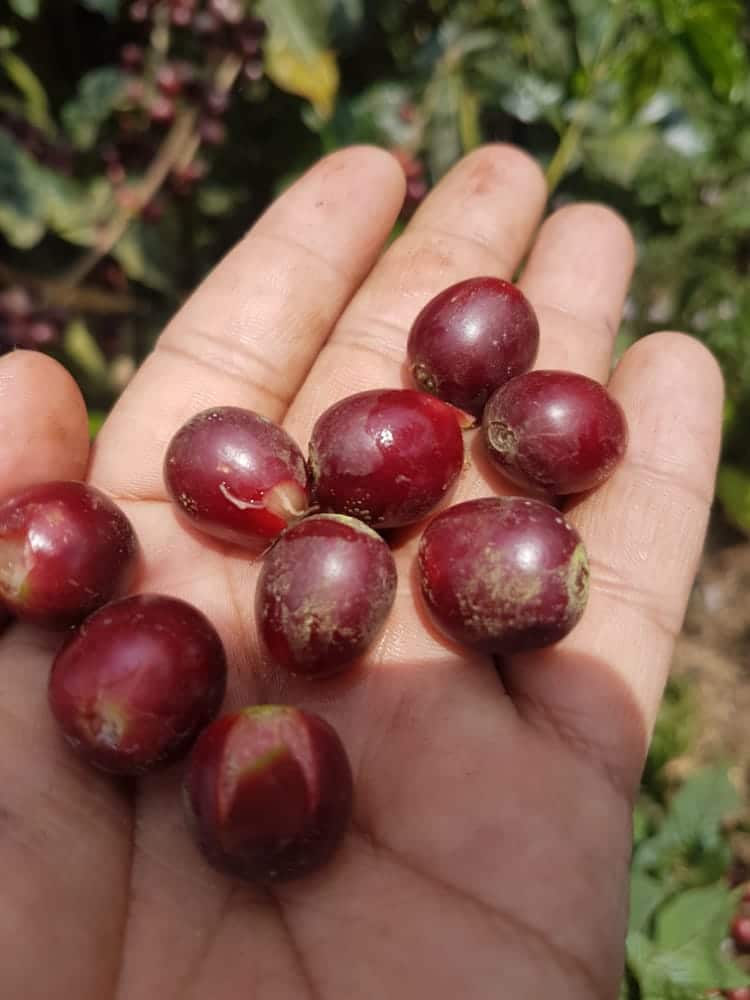
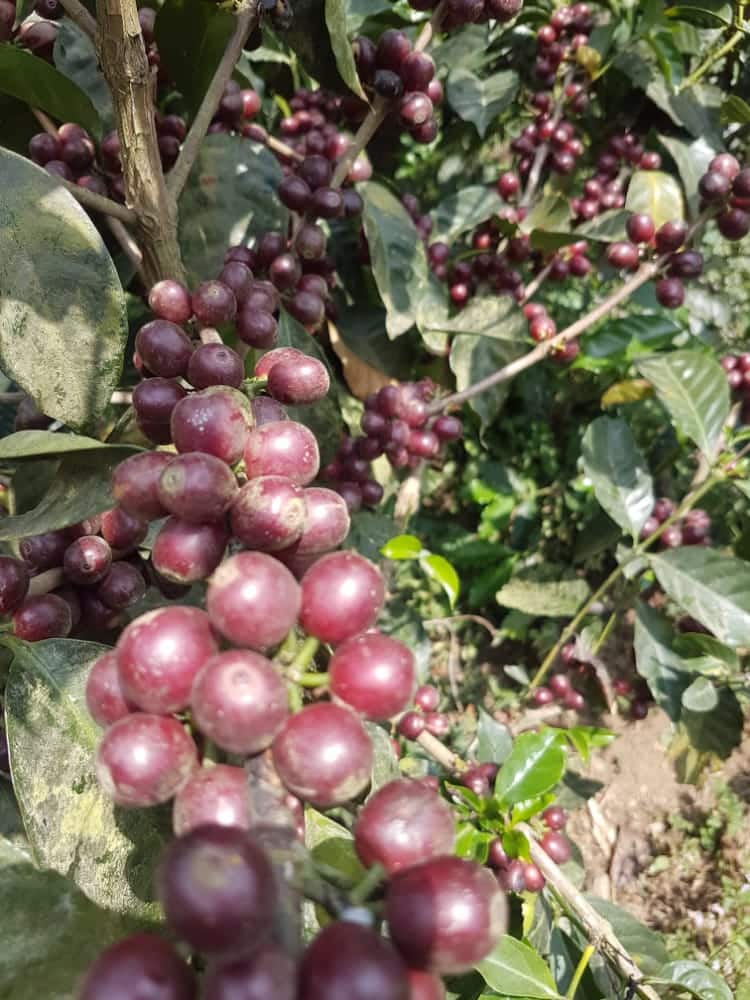
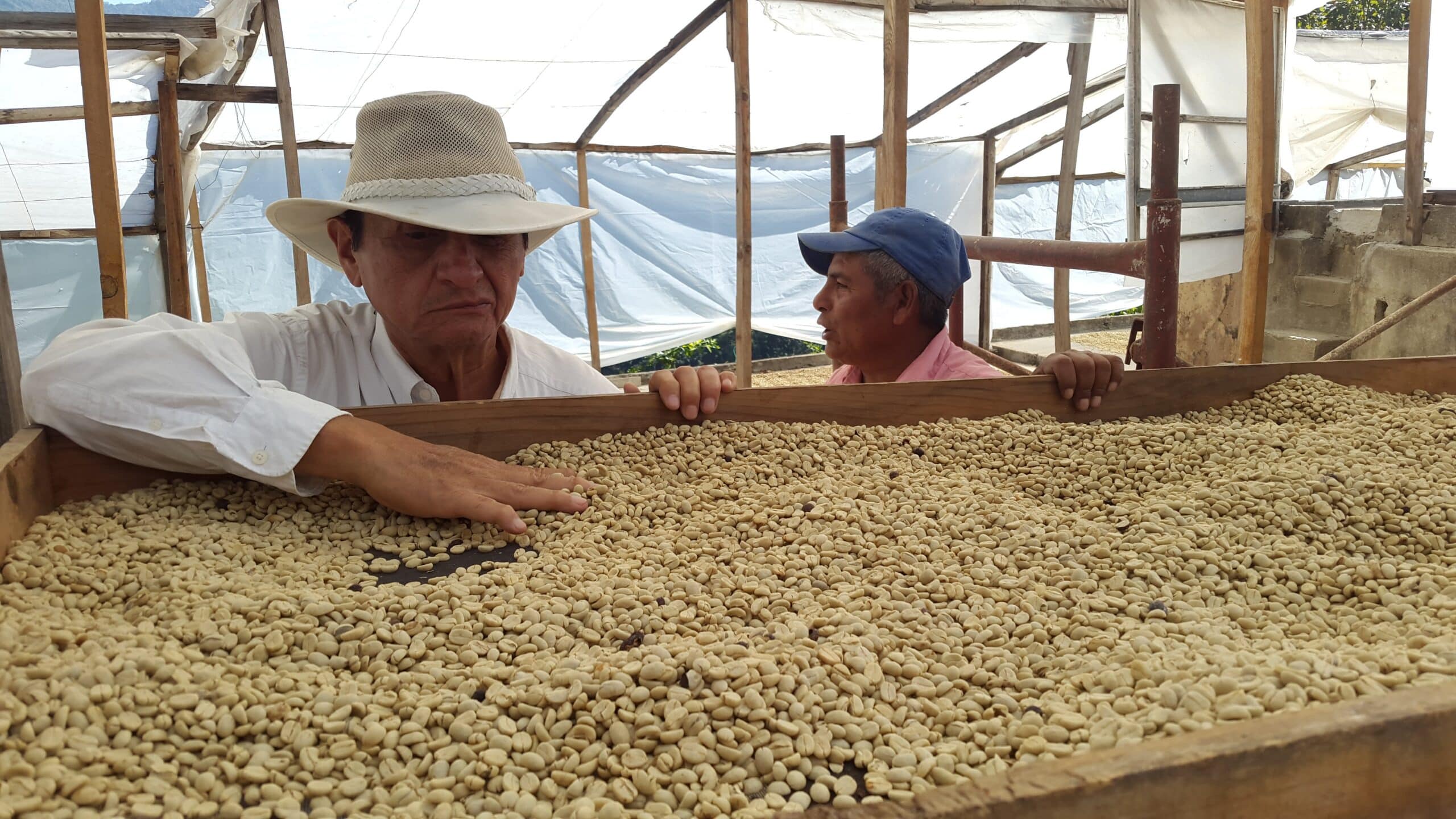
Ripe, red cherries are selectively handpicked and rested in a tank for 24 hours. The cherries are then washed in clean water and floated to remove any damaged or underripe fruits. Selected cherries are pulped before being evenly laid on raised beds to sundry for 2 to 3 days. Then, parchment is moved to parabolic dryers where it will dry more slowly for an additional 8 to 11 days. Parchment is raked frequently to ensure even drying. In total, it takes approximately 10 to 14 days for parchment to dry, depending on the weather.
Huehuetenango is well-known for its high altitude and consistent weather patterns. The region lies at a nexus of hot air sweeping eastwards from the Plains of Tehuantepec in Oaxaca, Mexico and cool air rushing down from the Cuchumantanes Mountains. The meeting of this hot and cold air creates a microclimate that keeps frost in check and enables coffee cultivation at higher altitudes. Coffee production at 2,000 meters above sea level here is common. These conditions are perfect for producing the sparkling acidity and distinctive fruit flavors of the region.
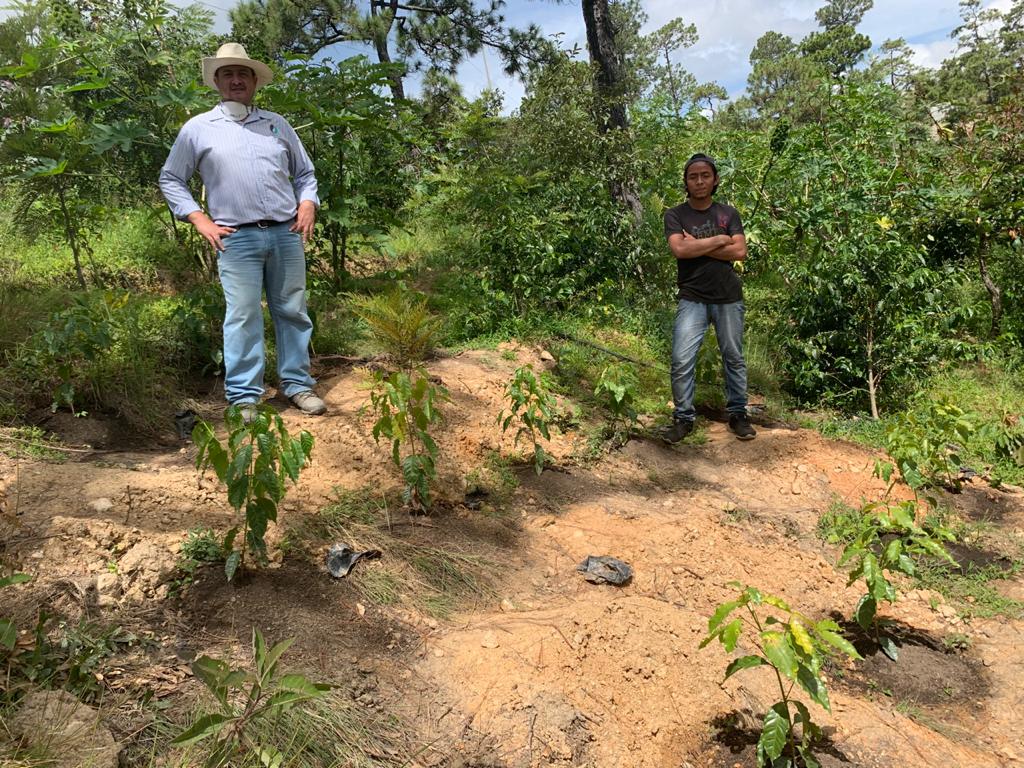
In addition to the coffee he produces on Finca Rosma, Fredy works with his neighbors, friends and family to cultivate and source high-quality coffees that are traceable to individual family farms. Rosma acts not only as an exporter but also as a resource for farmers looking to improve production. They have a seedling nursery so farmers can access high-quality seedlings that are also more Coffee Leaf Rust resistant. They also provide refinancing credit for farmers and health and medical assistance.