
17,00 €
This coffee from the Island of Flores stands out with its complex fruity notes , complemented by a long, sweet finish.
“Laga Lizu,” meaning “above the clouds” in the Bajawa language, originates from one of Indonesia’s most renowned coffee regions. Bajawa, located in the Ngada district on Flores island, is known for its matrilineal society, where land ownership is passed down through women. Many women in the region own and manage their family coffee farms.
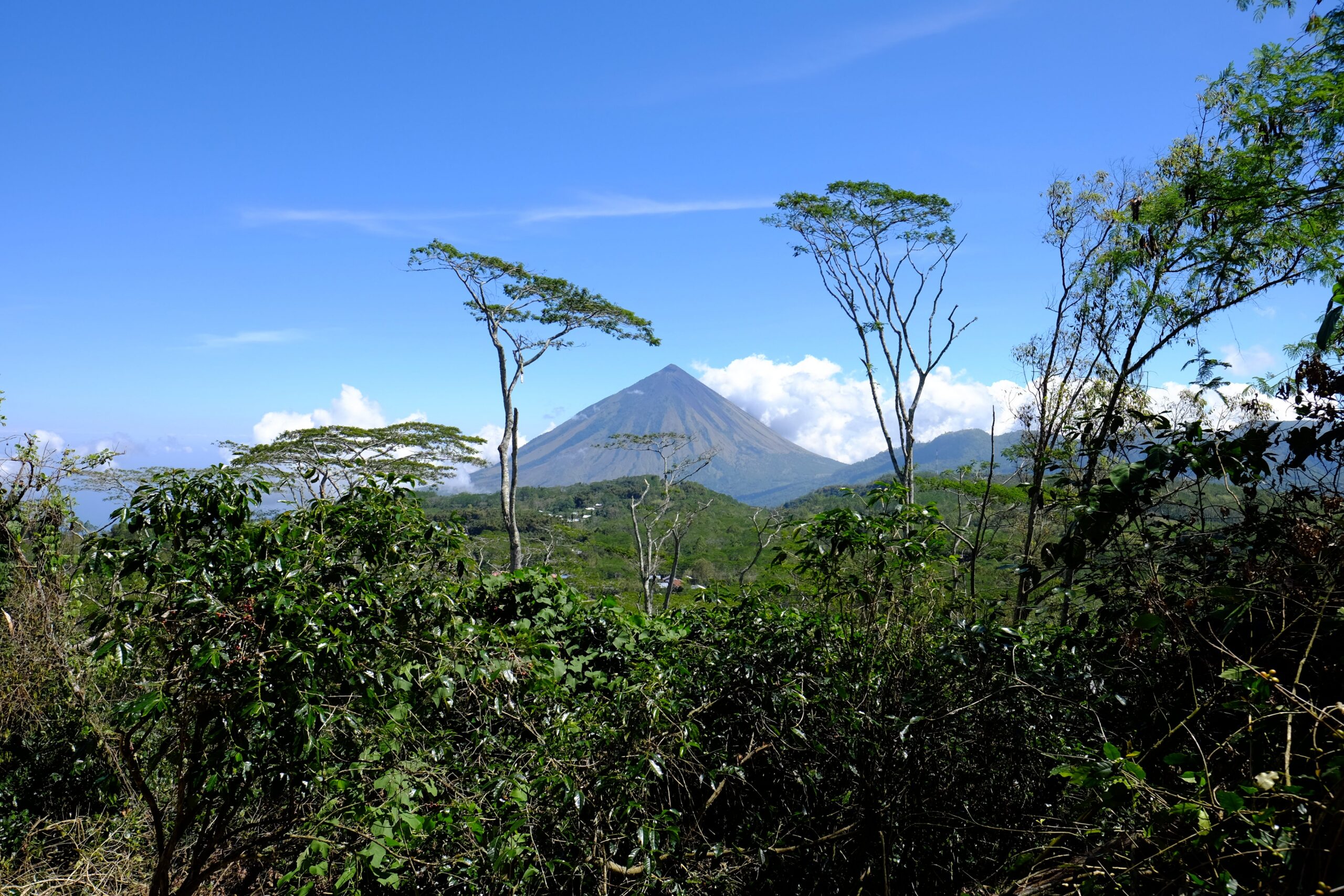
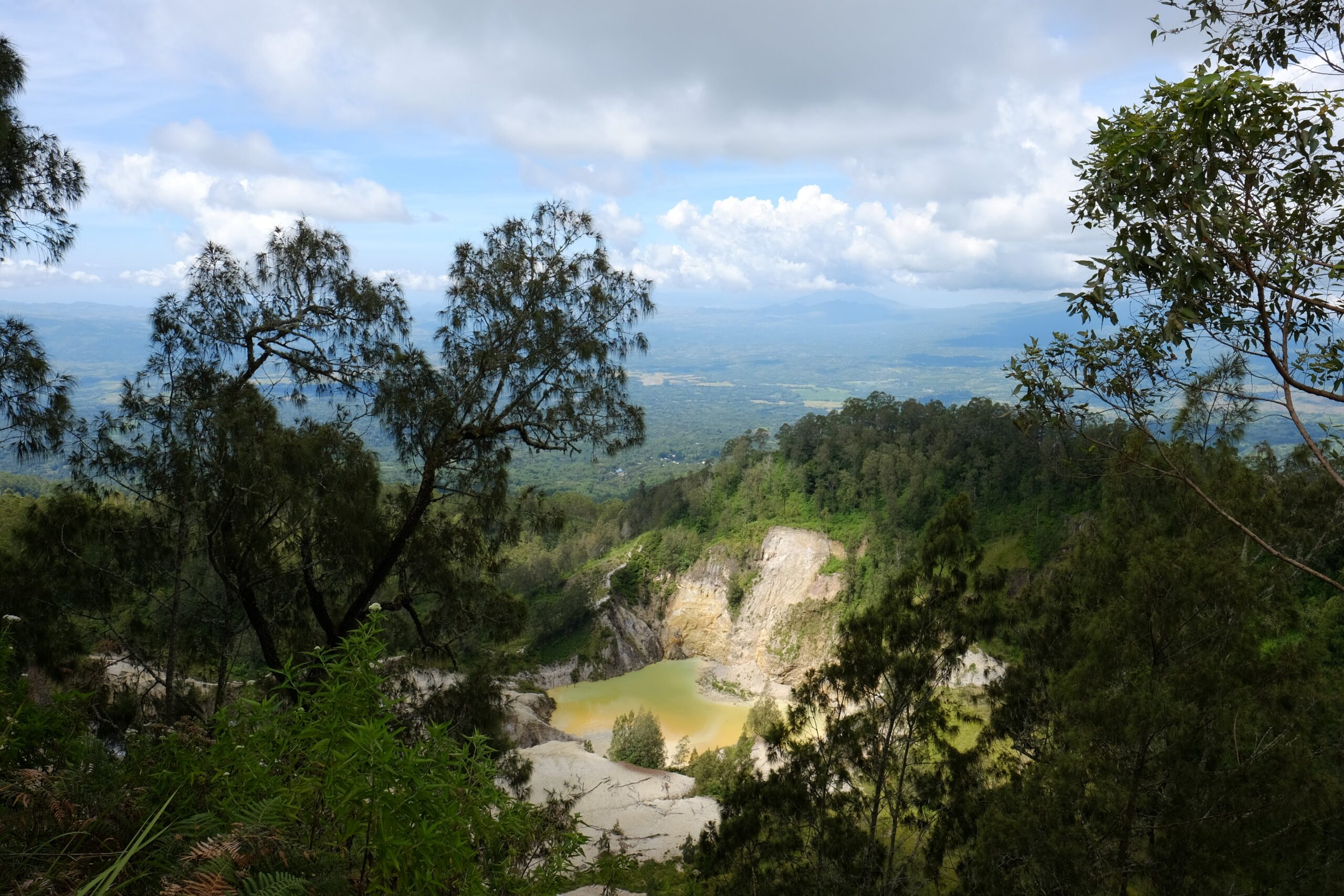
Flores is celebrated not only for its coffee but also for its rich cultural heritage, seen in traditional villages like Bena and Waerebo, and its stunning natural landmarks such as Kelimutu Lake and the habitat of the iconic Komodo dragon. The coffee here thrives in loamy, volcanic soil, fed by the nearby active volcanoes Inerie, Ebulobo, and Wawomudha—soil that resembles rich chocolate cake in texture and color.
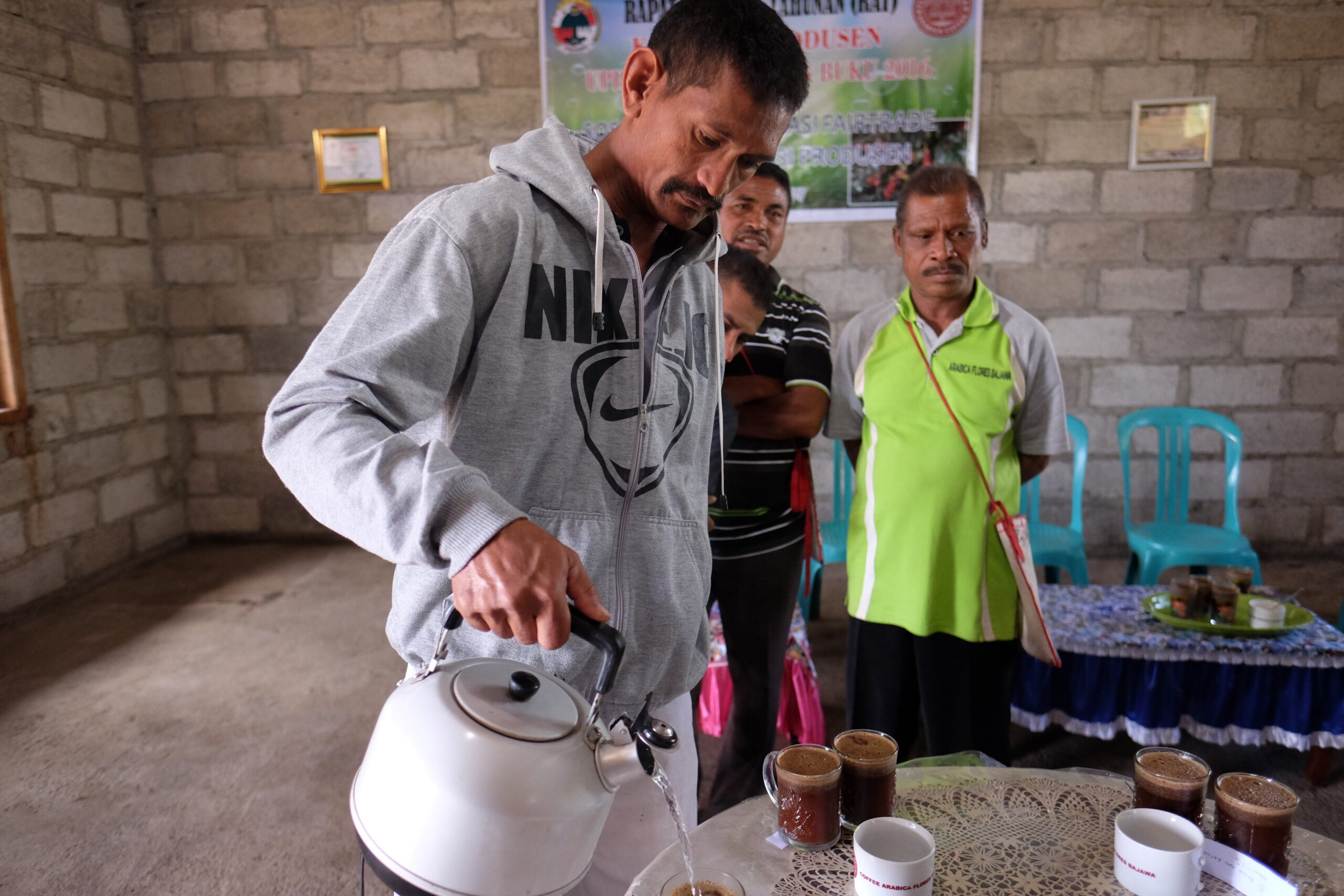
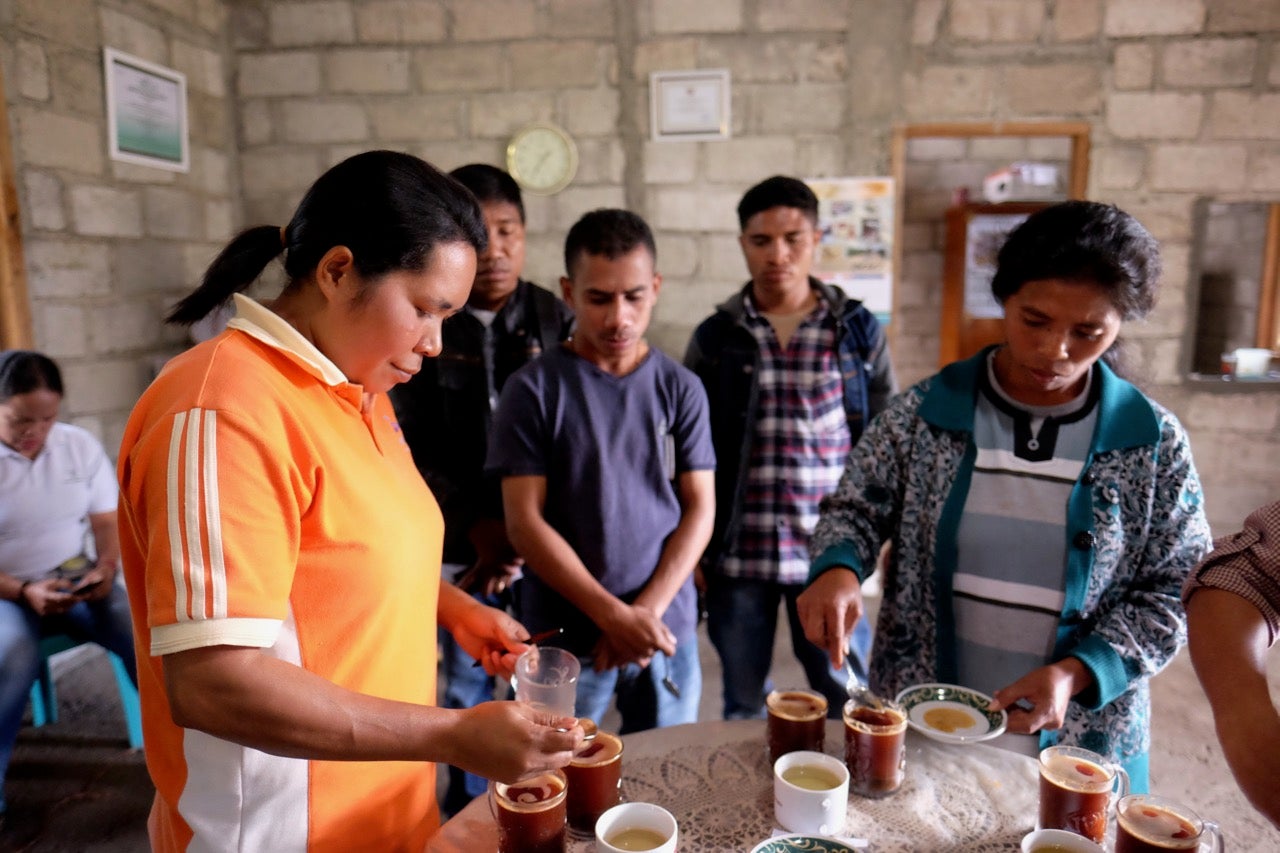
Coffee plays a central role in Bajawa culture. Visitors are always greeted with a hot cup of black coffee, a symbol of hospitality. Nearly every household has a coffee farm, and multiple households often share a pulper, ensuring a high standard of parchment quality.
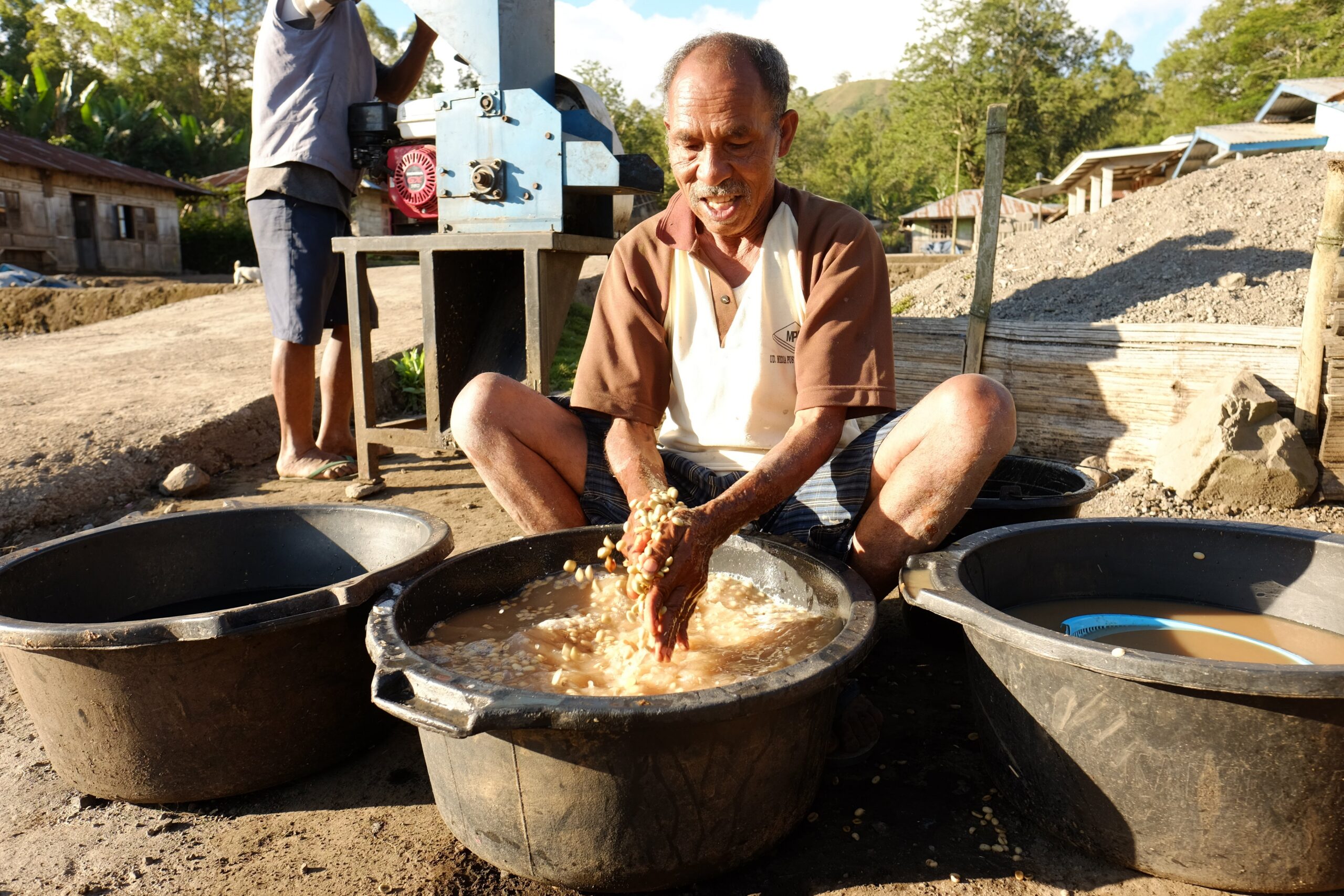
Sucafina recently collaborated with the local community to establish a new processing facility. Beyond traditional wet hulling, the facility now produces anaerobically fermented fully washed, honey, and natural process coffees, expanding the range of offerings from this unique region.
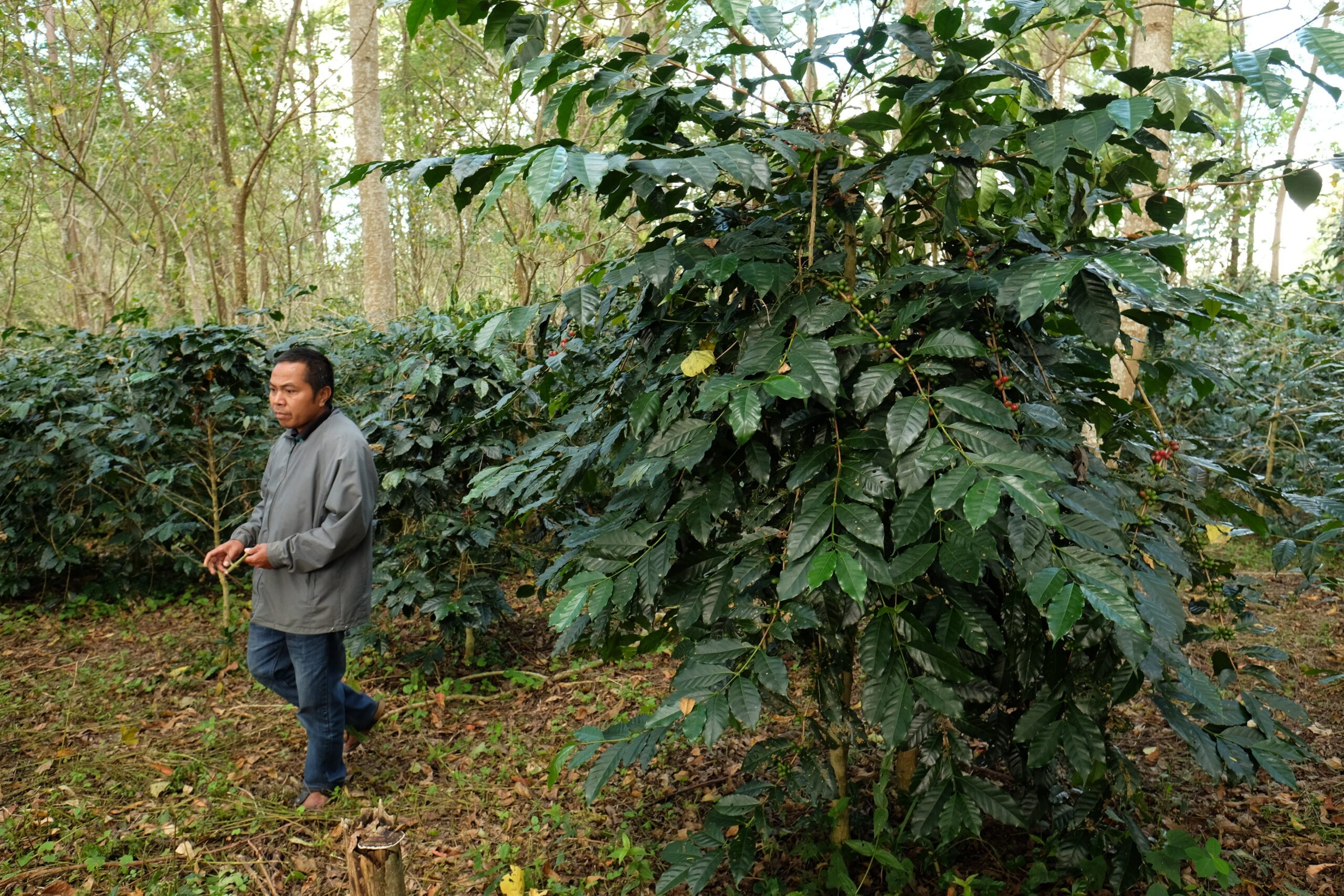
In Bajawa, farming is typically polycultural. Coffee farms are interplanted with crops like ginger (halia) and staples such as colocasia (talas) and chayote (labu), used primarily as pig feed. Most farmers are smallholders, with an average farm size of just 0.66 hectares. Organic farming practices dominate, aided by the region’s frequent mist and cloud cover.
Coffee cultivation is concentrated on the island’s rugged volcanic slopes, where the fertile, nutrient-rich volcanic soil contributes to the production of high-quality coffee. By fostering collaboration and innovation, coffees from Flores continues to shine as a distinctive origin for exceptional quality.
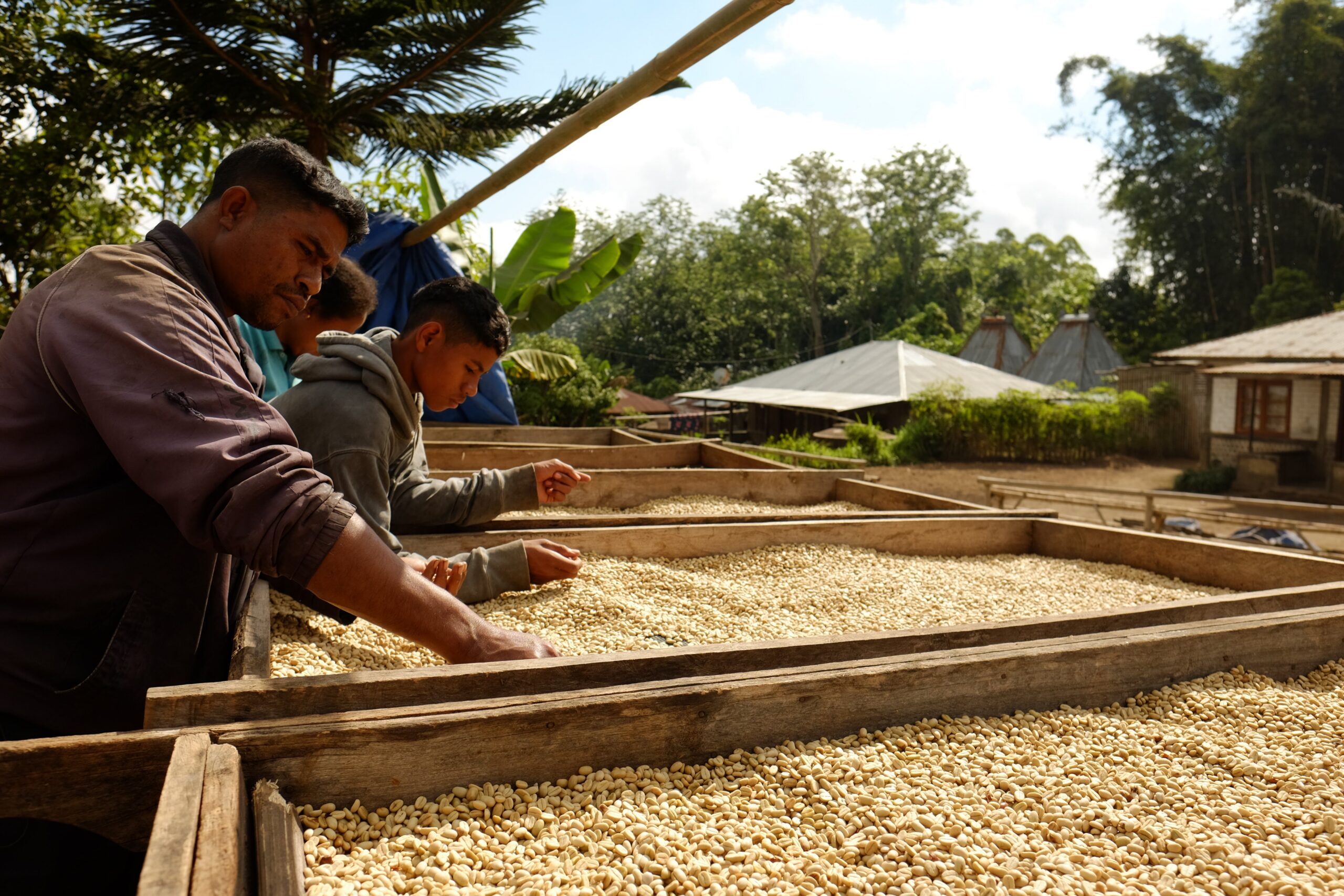
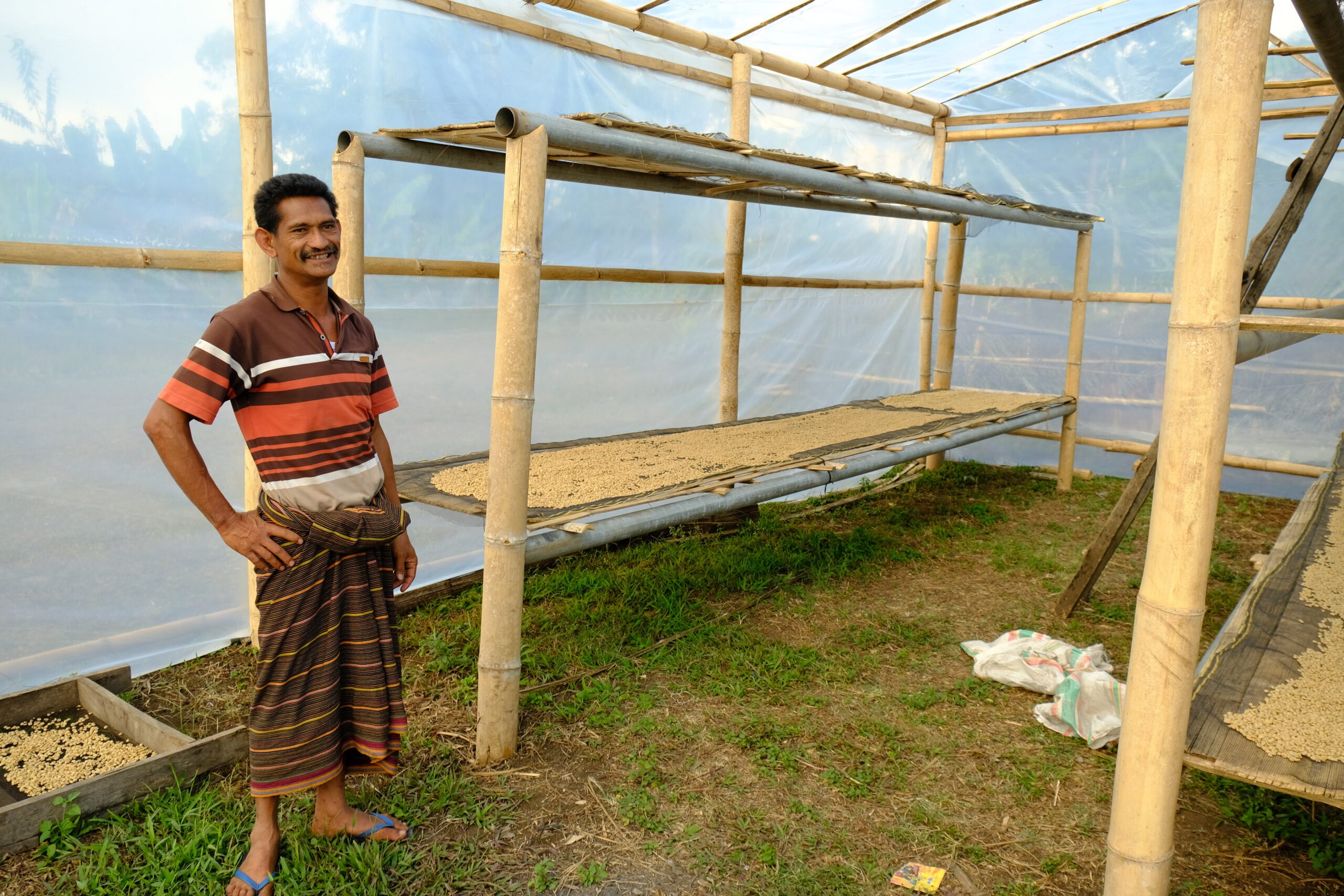
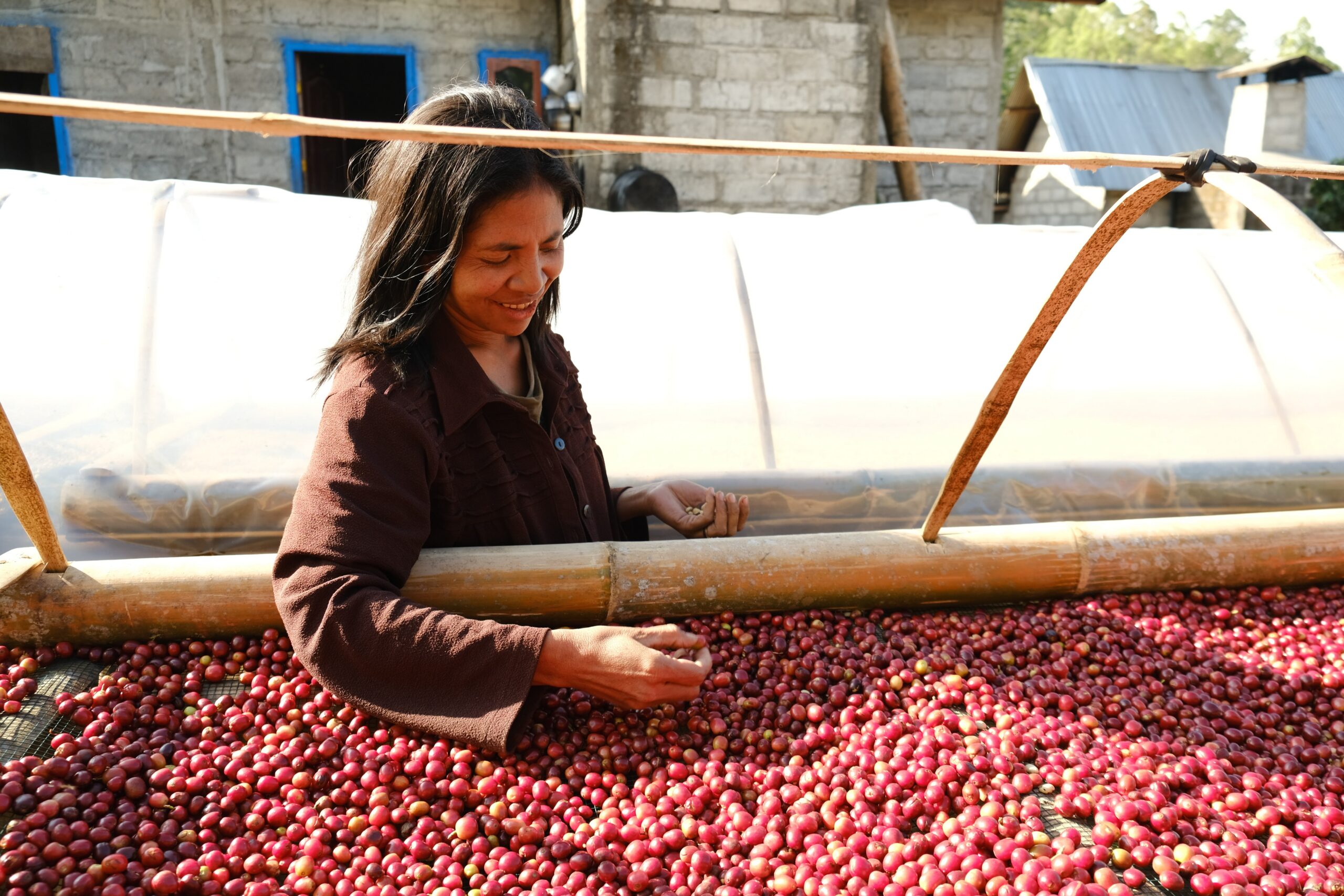
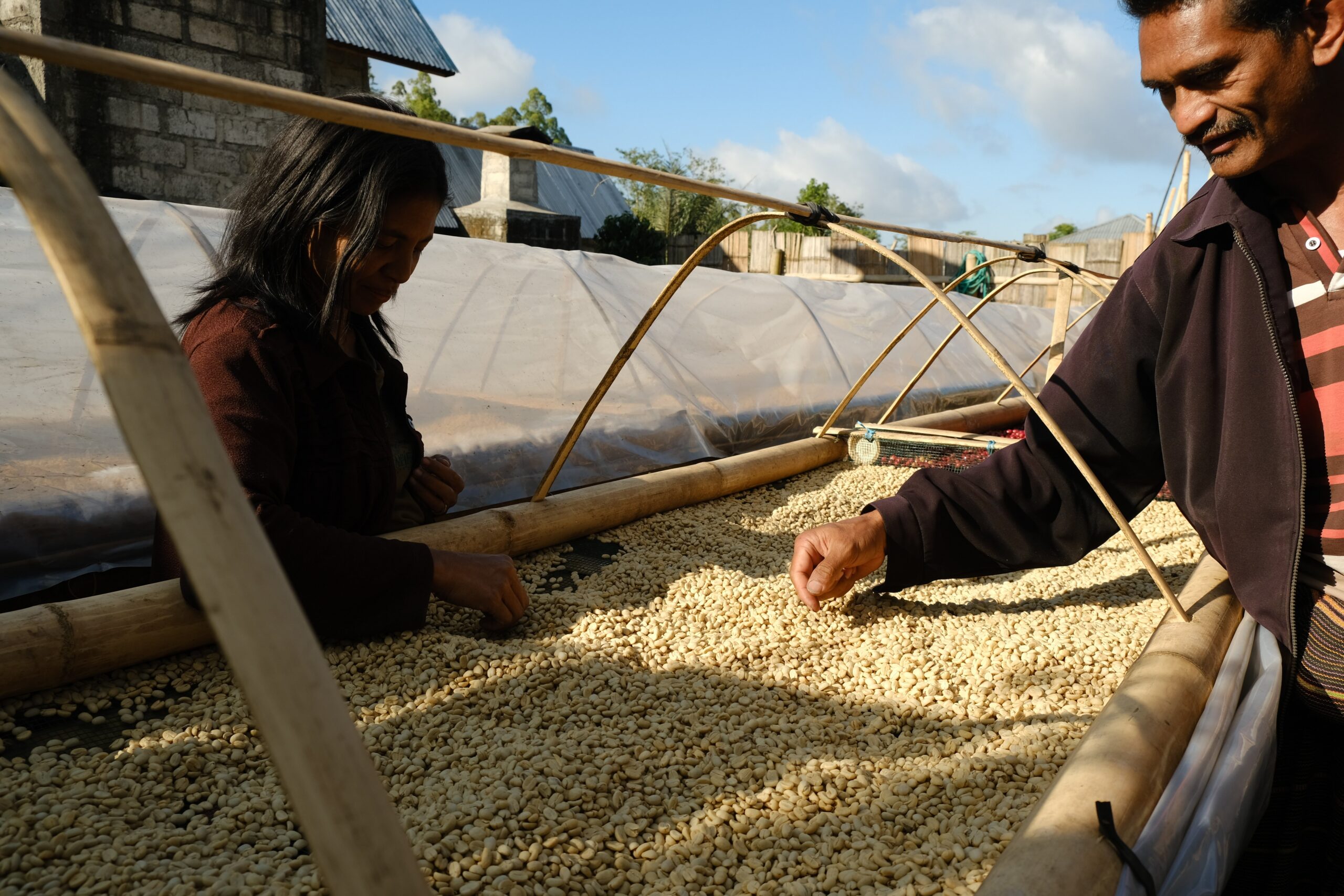
Ripe cherry is harvested in from morning through the early afternoon. After intake, cherry is anaerobically fermented 72 hours, then pulped to remove mucilage. Parchment is fermented again for additional 72 hours then dried on racks from approximately 7 days. Coffee is stored in the cooperative warehouse until it is shipped to our partner mill for further quality control, hulling, grading, and final hand-sorting preparations for export.
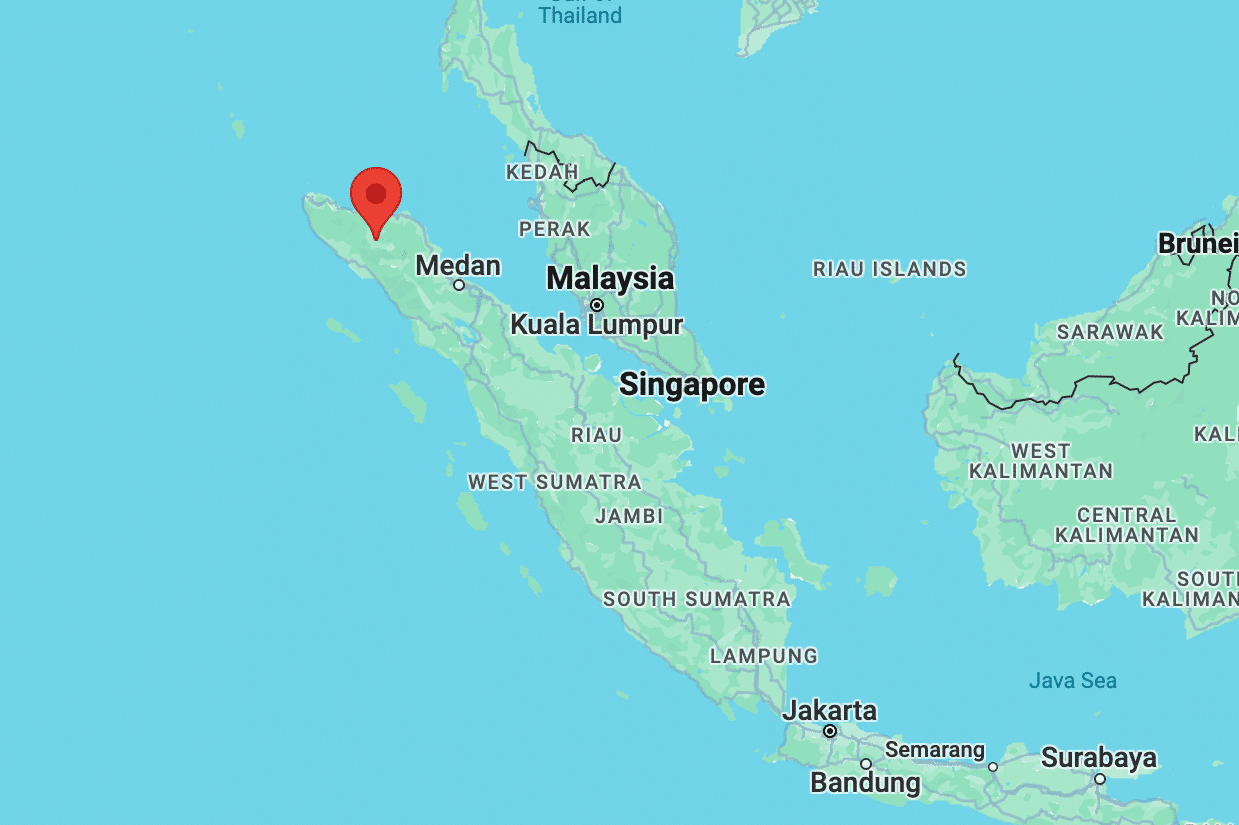
Flores is one of the smaller islands in the Indonesian archipelago. It is only 580 kilometers long. The island is located 320 kilometers to the east of Bali.
Most coffee production on Flores is generally situated on the rugged slopes of the island’s many active and inactive volcanoes. Volcanic soil is fertile and verdant and helps with high-quality coffee production.
Production on the island is predominately shade-grown, and historically, semi-washed home processing had been the norm. However, due to industry growth, this traditional processing has increasingly given way more to Fully washed and Wet Hulled methods
Also known locally as Jember, Linie S-795 was selected by Balehonnor Coffee Research Station in India. The variety was selected by R.L. Narasimhaswamy and is the product of a cross between S288 (a natural hybrid of Liberica and Arabica) and an older Kent variety, a Typica family-plant that had been adapted to growing conditions in India.