
17,00 €
Kamwangi stands out for its strong farmer support and lot traceability. Kamwangi continues to grow, backed by Good Agricultural Practices training, quality seed access and good farm management standards. Using fresh water from the Nyamindi River, the factory ensures careful processing for AA lots such as this one that bring the region’s quality potential to the forefront.
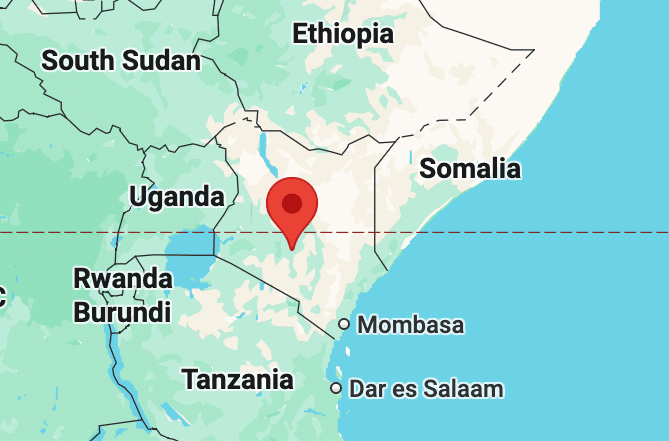
Established in 1982, Kamwangi Factory (as washing stations are called in Kenya) is one of three active processing sites owned by the New Ngariama FCS, located in Gichugu Division, Kirinyaga East Sub-County of Kenya’s Kirinyaga County. The cooperative was newly registered in 1997 after the liquidation of Ngariama Farmers’ Cooperative Society and has grown to 6,000 active members, with 2,500 farmers delivering cherries to Kamwangi. The factory operates alongside affiliate sites Kainamui and Kiamugumo, using fresh water from the Nyamindi River for processing.
Kamwangi was the second factory established by New Ngariama FCS, followed more recently by Kiamugumo. Unlike many factories in Kenya that struggle with underutilization, New Ngariama FCS has successfully expanded despite declining national coffee yields. This growth reflects the cooperative’s strong organizational structure, traceability systems and dedication to its farmers.
New Ngariama FCS emphasizes transparency and trust in its farmer relationships, fostering long-term sustainability and ensuring that smallholder producers receive fair pricing and industry support.
The factory works closely with farmers to maintain high agricultural standards. Farmers source seeds from the Coffee Research Station in Ruiru, and a field committee conducts regular farm visits to ensure best practices, including preventing intercropping with maize and beans. Through training programs, input access, and year-round Good Agricultural Practices (GAP) seminars, the cooperative supports its members in increasing coffee production while maintaining quality.
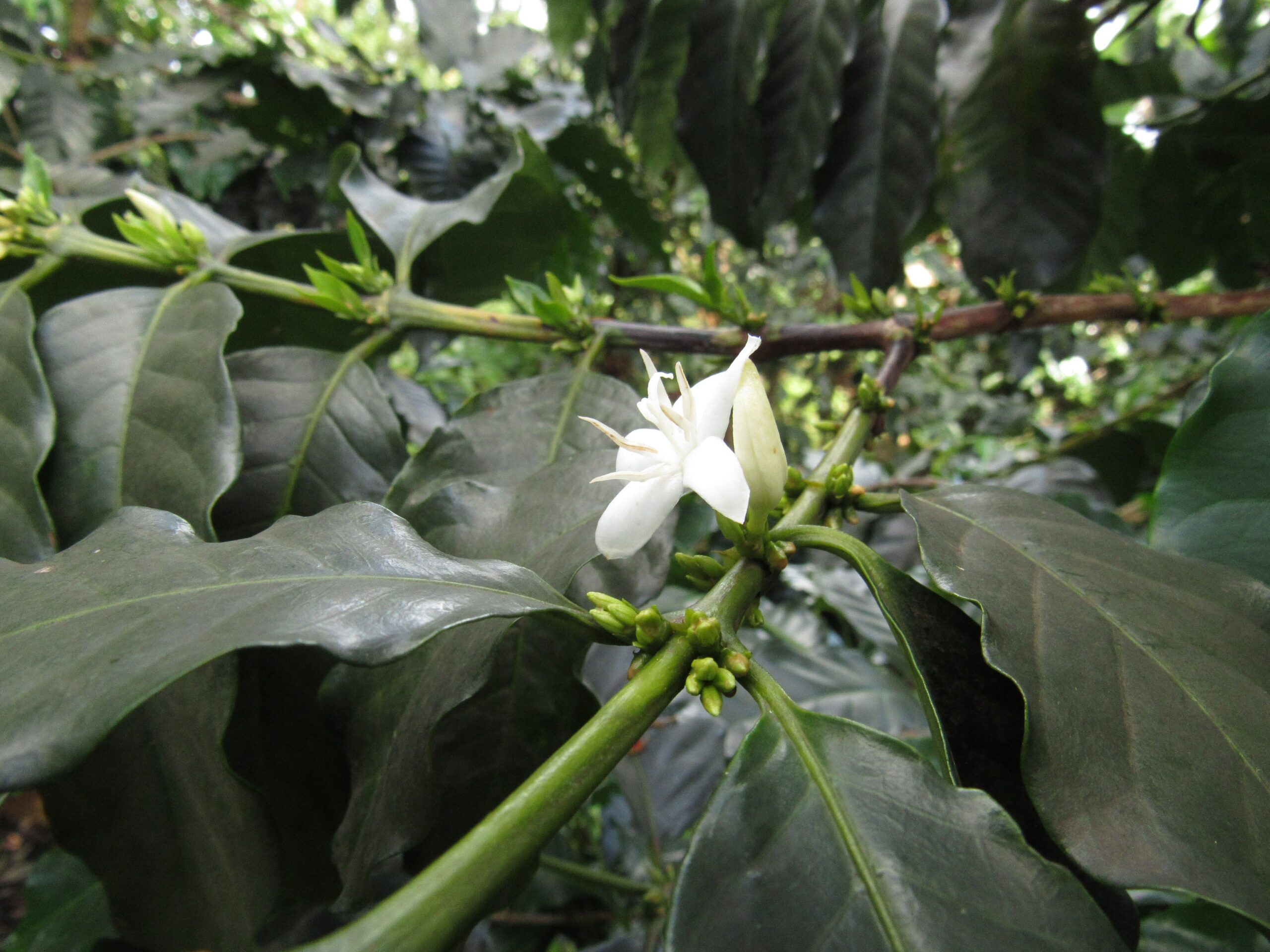
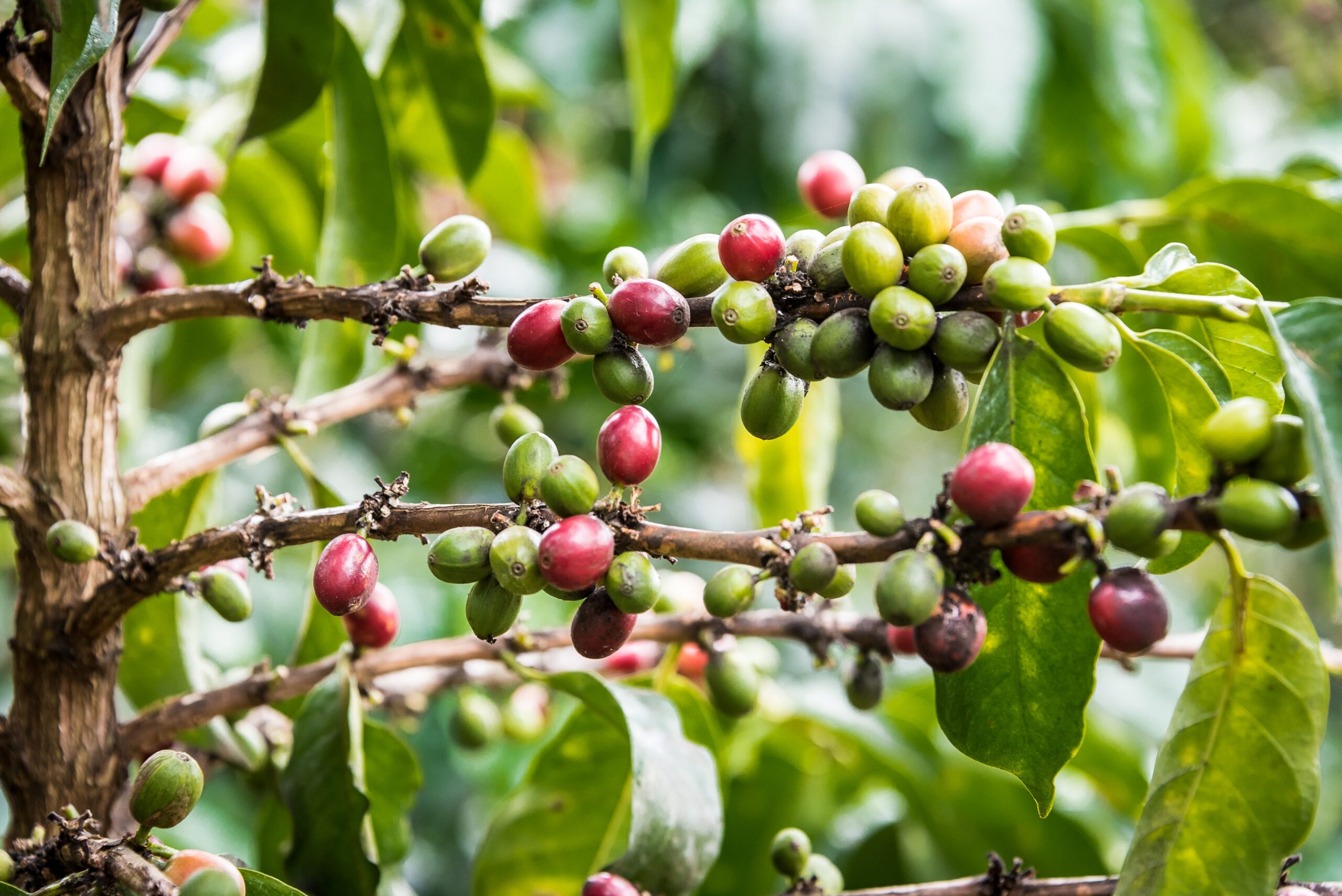
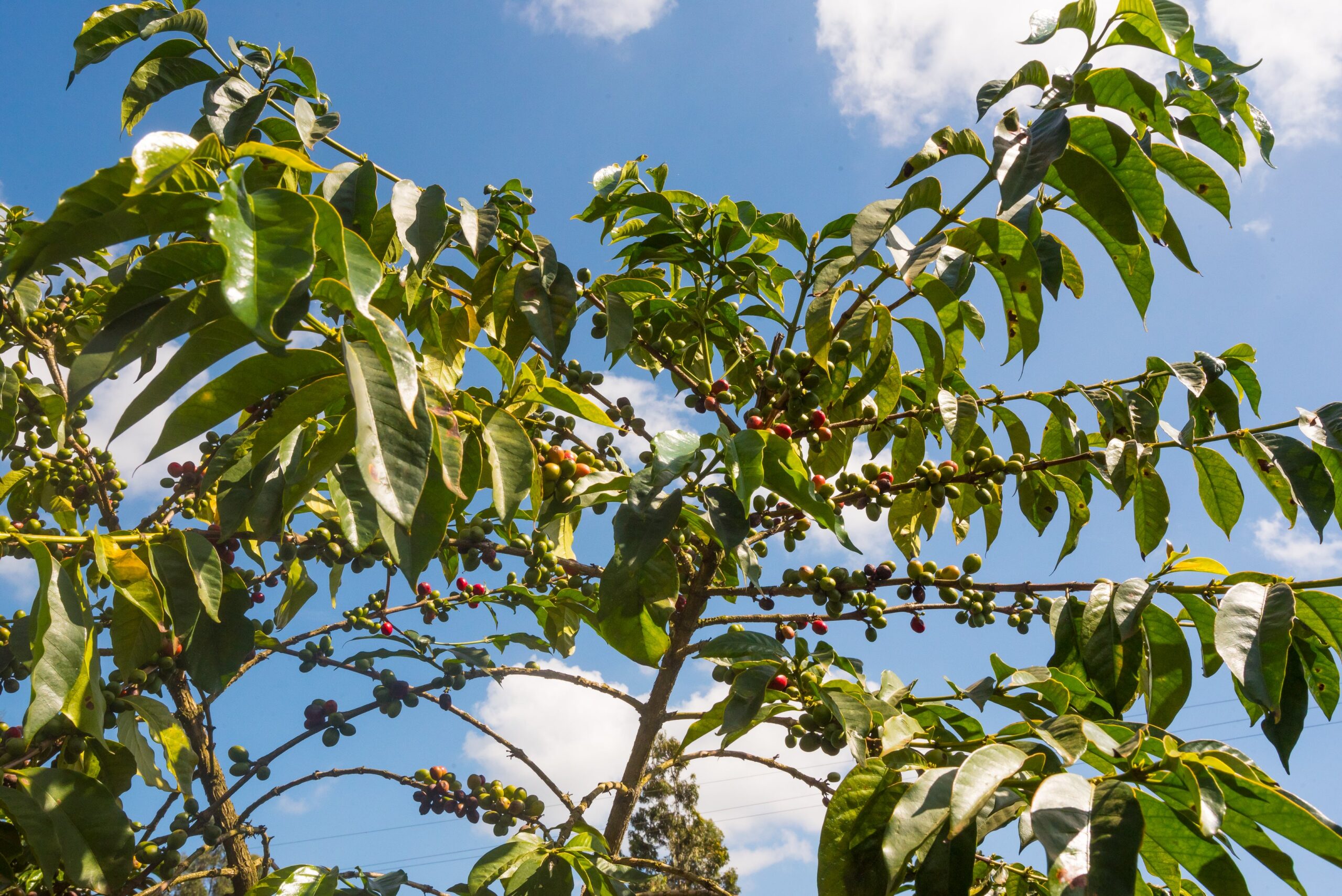
Farmers in the region cultivate SL28, SL34, Ruiru 11 and Batian. ‘SL’ varieties are cultivars originally released by Scott Agricultural Laboratories (SAL) in the 1930s and 1940s. They soon became the go-to trees for many growers in Kenya due to their deep root structure, which allows them to maximize scarce water resources and flourish even without irrigation. They are cultivated with a serious eye towards sustainability and Good Agricultural Practices, with minimal environmental impact where possible. Ruiru 11 is a new variety known for its disease resistance and high yields. It starts yielding fruit after just 2 years.
Smallholders handpick ripe cherry and deliver it to Kamwangi that day. At intake, cherry is meticulously sorted. All sorting is overseen by the cherry clerk, who ensures that only ripe, undamaged cherry Is received.
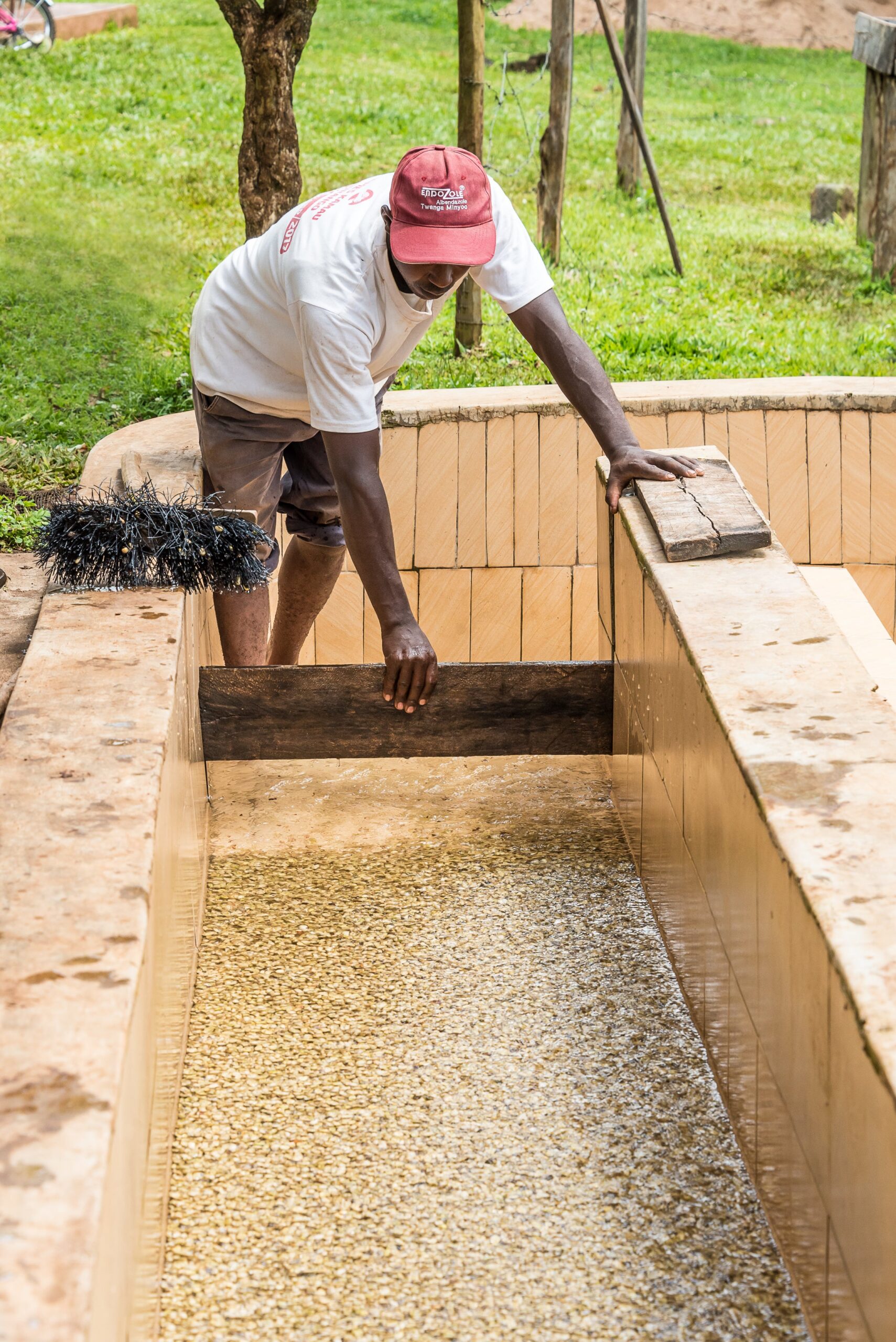
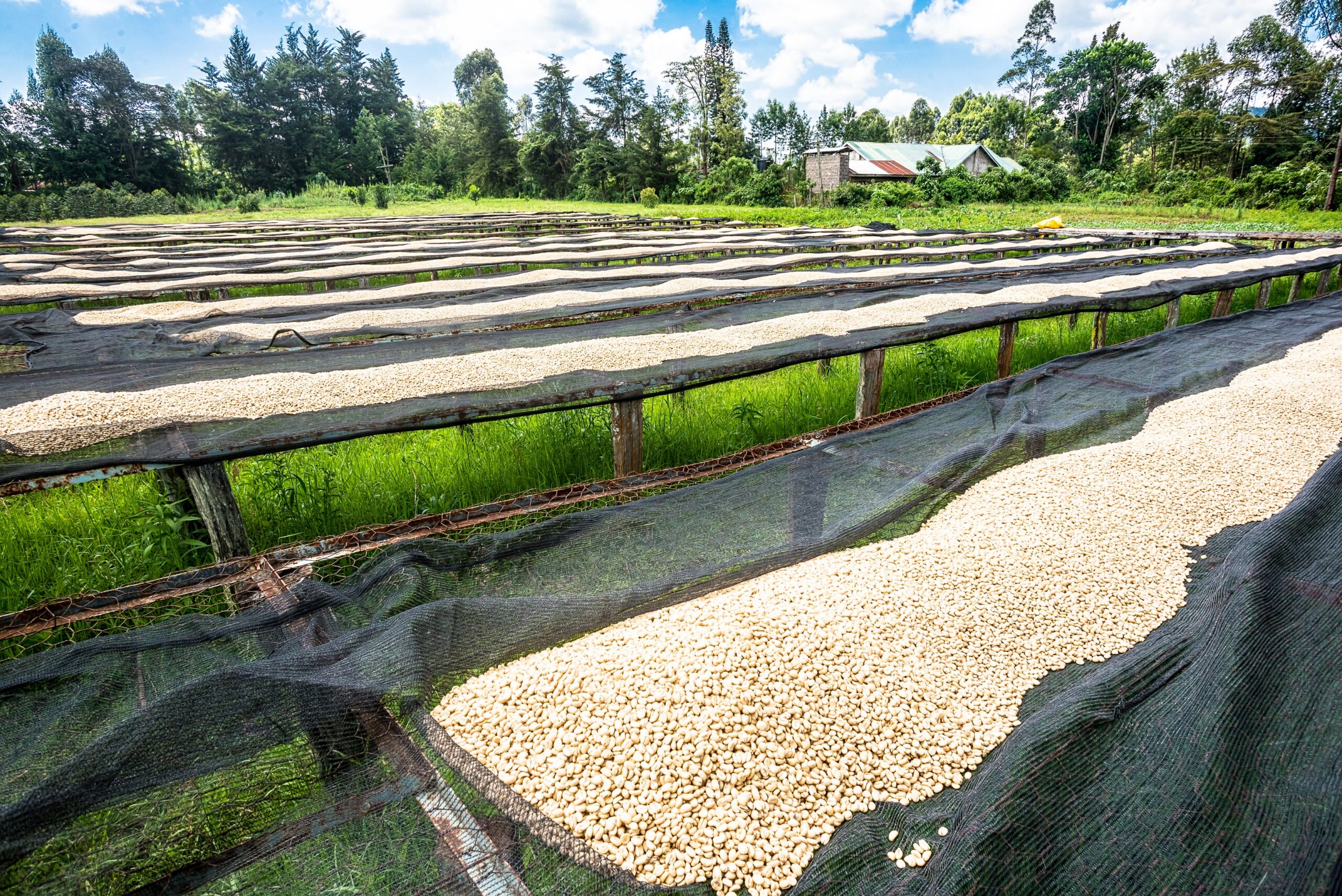
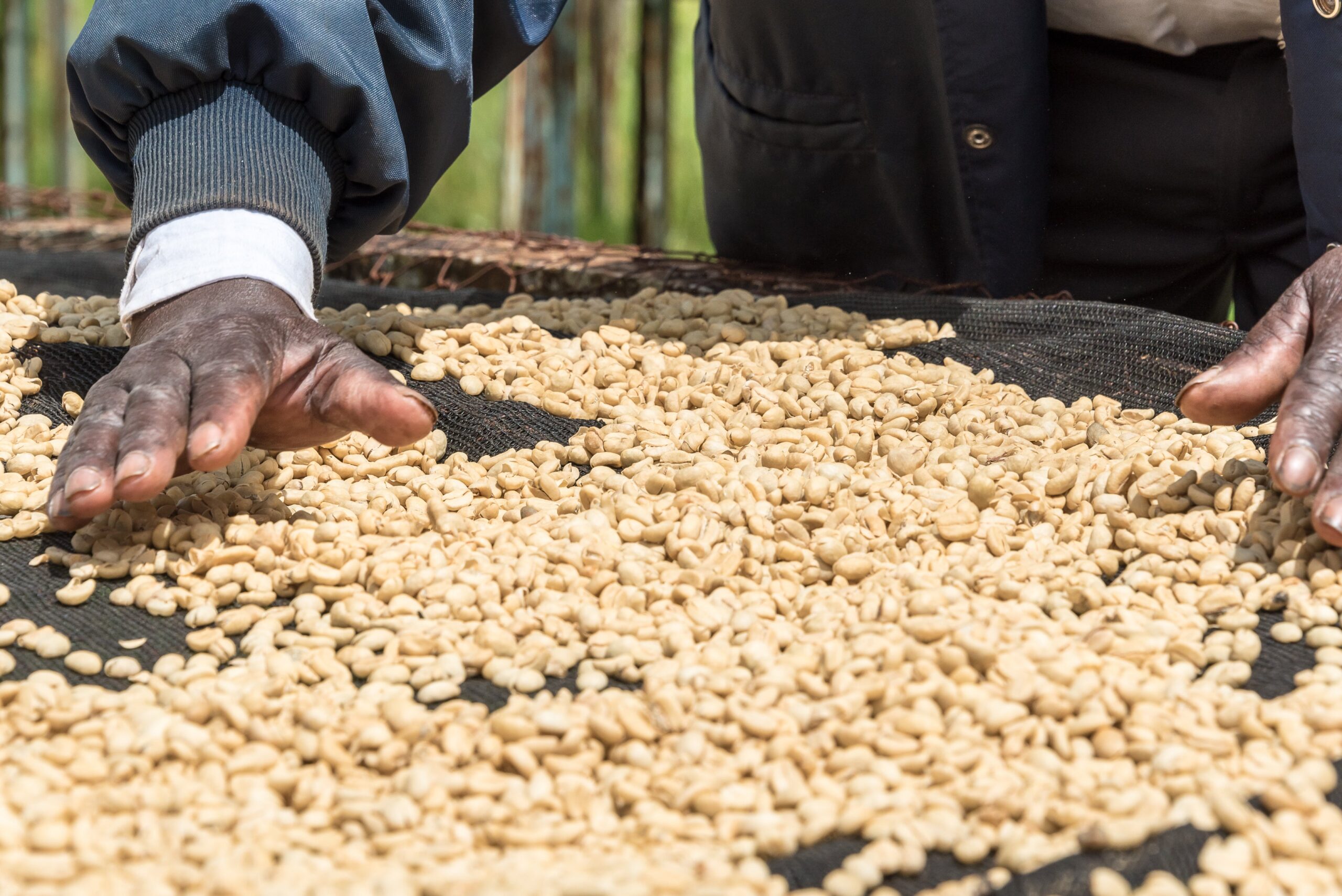
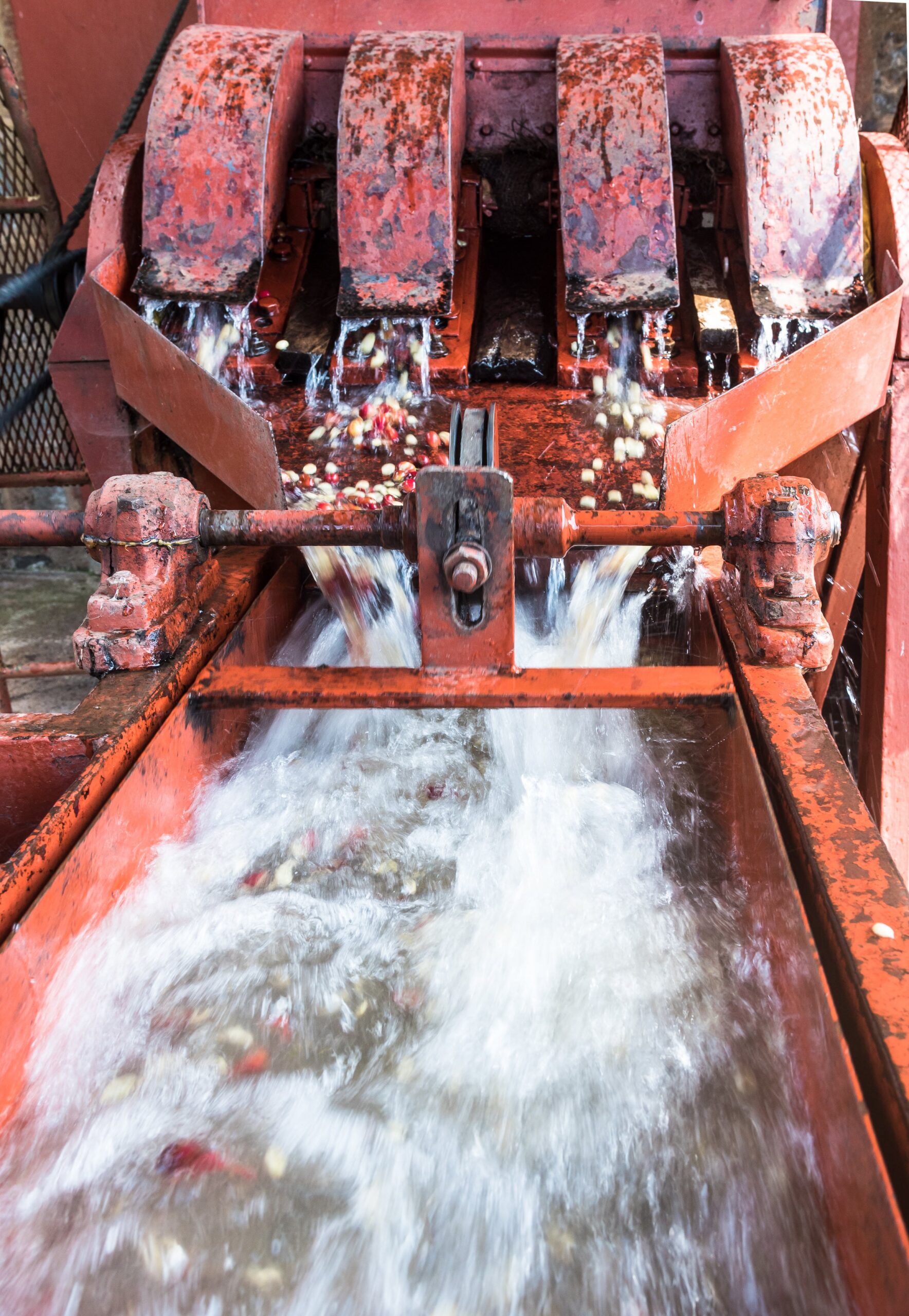
Once sorted, cherry is pulped on the factory’s disc pulper. Pulped cherry is fermented for 12 to 24 hours. Skilled staff oversee fermentation, checking regularly to ensure fermented is halted at just the right moment. After fermentation, cherry is sent through washing and grading channels before being transferred to raised beds for drying. The drying process lasts 7 to 14 days, with workers frequently turning the parchment to ensure even drying and prevent defects. Once fully dried, the parchment is removed through hulling and the beans are graded before export.