

17,00 €
Expect fragrant florals and crisp apple notes that are perfectly balanced with a black tea body and caramel sweetness.
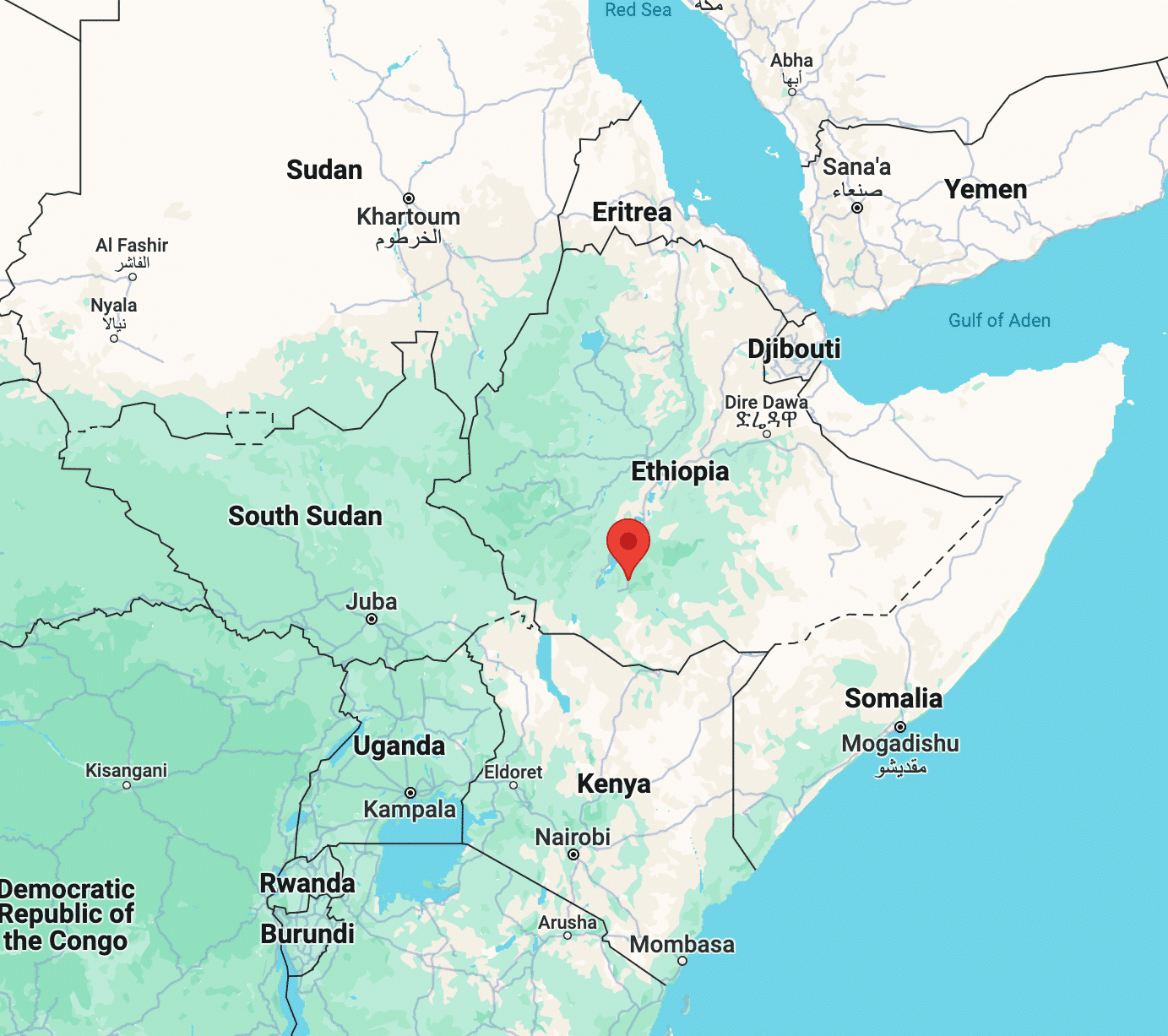
The Wurae washing station was founded in 2014 in the renowned coffee-producing region of Yirgacheffe. About 700+ farmers deliver to the station. Many live in the nearby town of Halo Berti. They cultivate local landraces and JARC varieties on small farms that are typically 1.5 hectares in size. Their farms sit at 1,800 to 2,200 meters above sea level and are located within 3 kilometers of the station.
Wurae pays a price premium for high-quality cherry to incentivize careful cultivation and selective picking. For most farmers, coffee is the main – and often only – source of income for their families. Since there has been a population boom and a shortage of land, one important use of family income is sending their children to school so that they can find jobs that don’t require land ownership.
Most farms are organic-by-default. Farmers use mainly animal manure and compost as fertilizer. Wurae station provides training in Good Agricultural practices and agronomist extension.
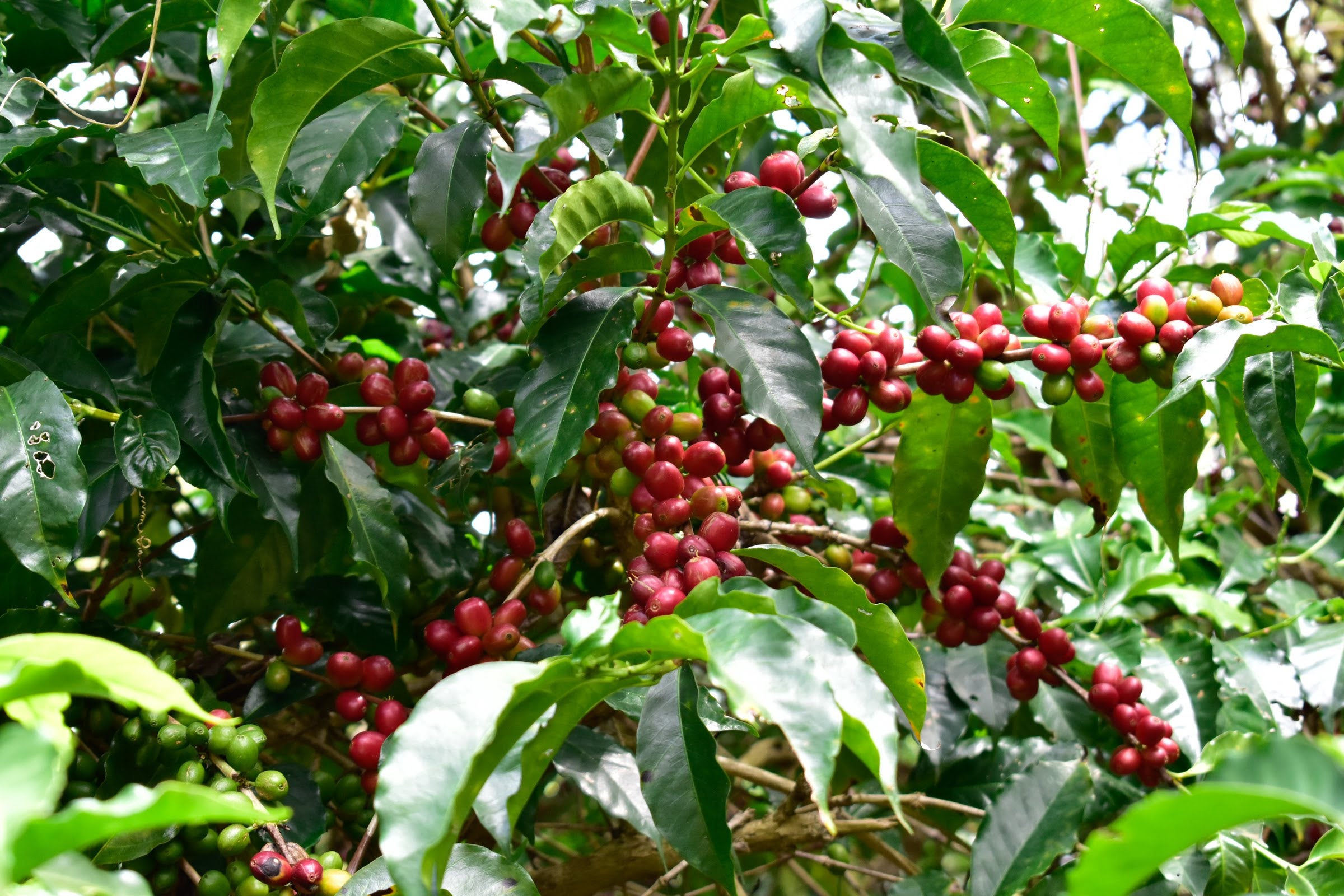
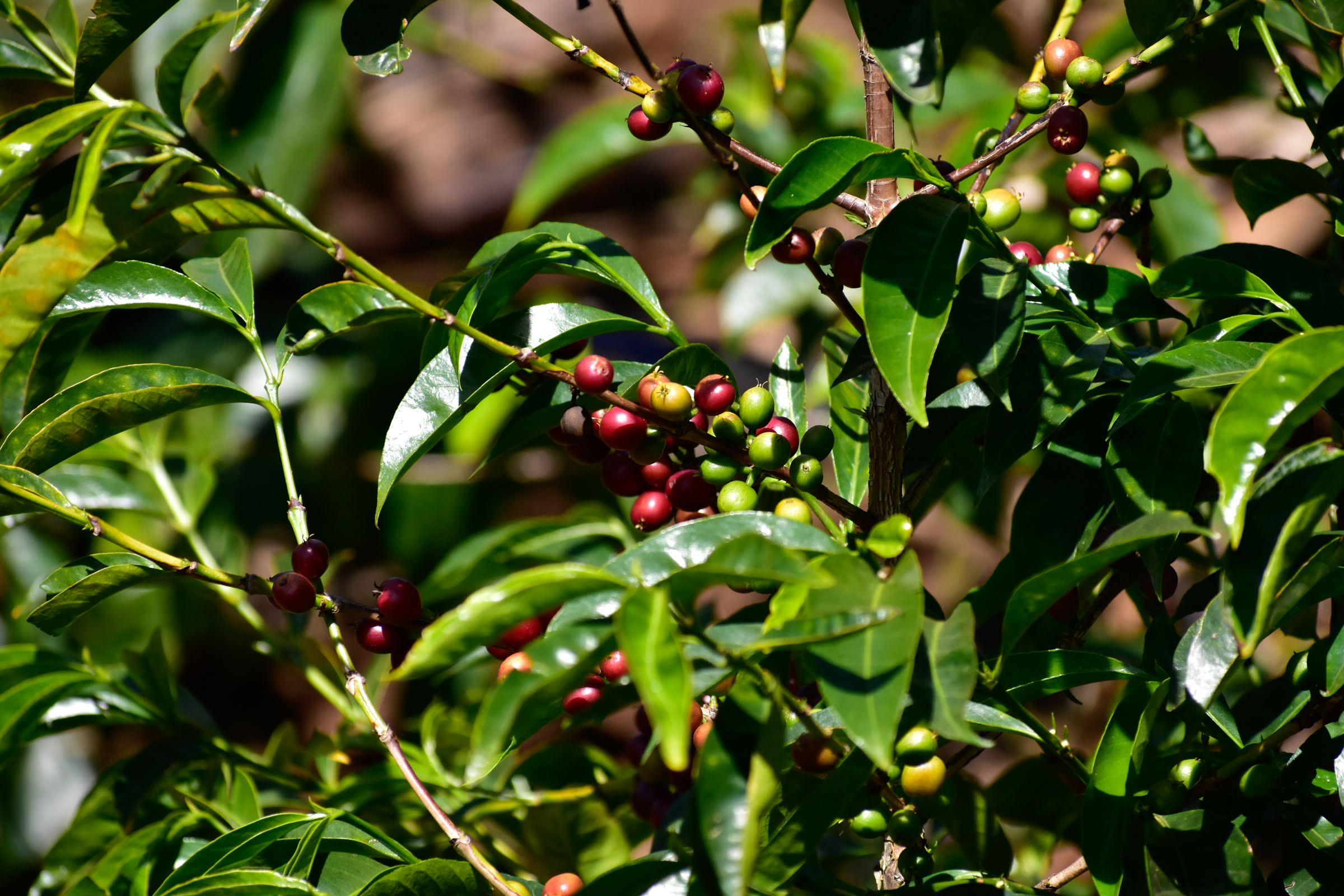
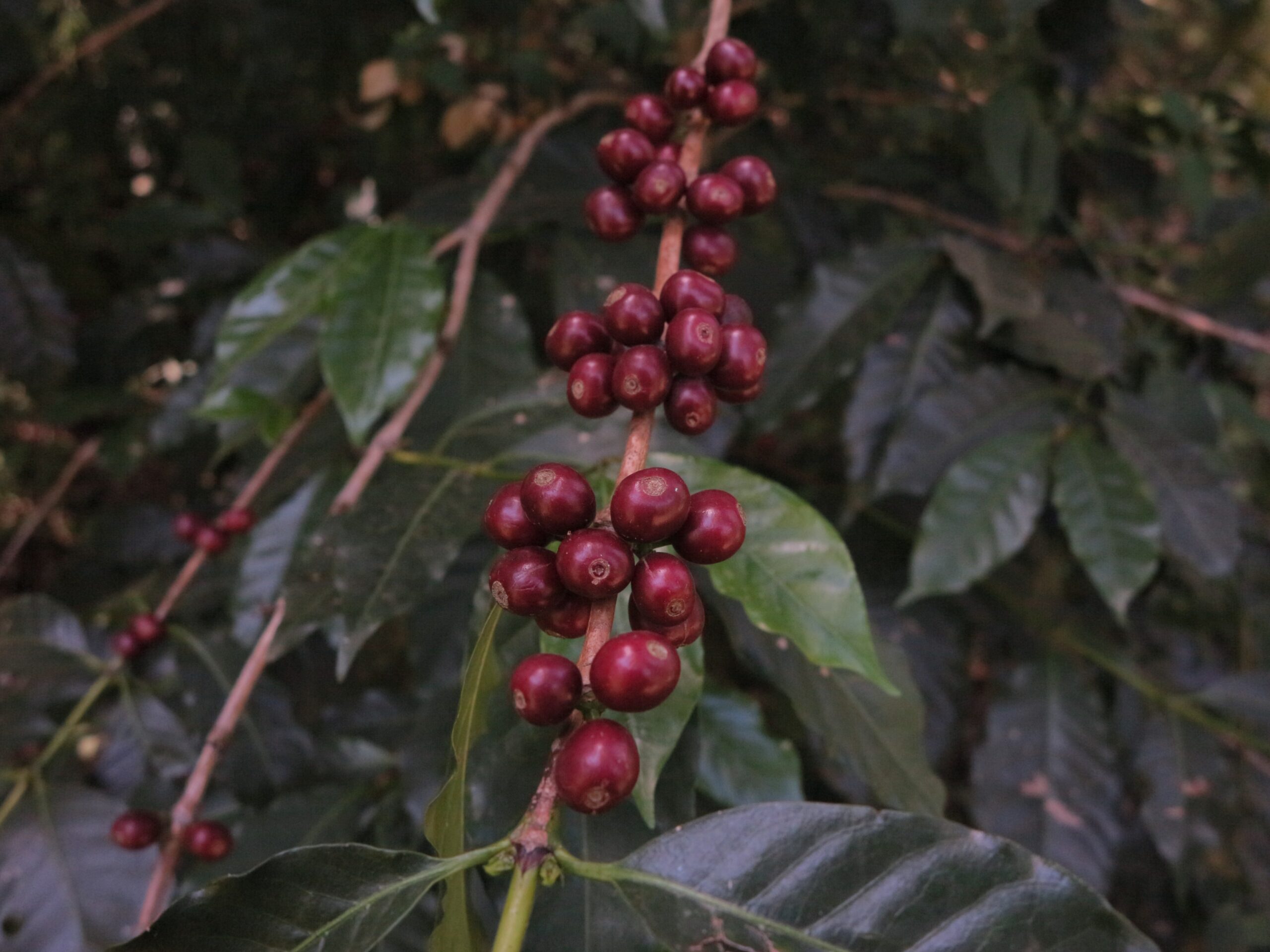
Farmers and their families selectively handpick ripe, red cherry and deliver it to Wurae washing station. At intake, cherry is floated to remove underripes and then pulped on the station’s pulper. Coffee is placed in fermentation tanks and fermented for 36 to 72 hours before being washed in clean water and run through washing canals. Parchment is soaked in clean spring water for a further 8 to 16 hours.
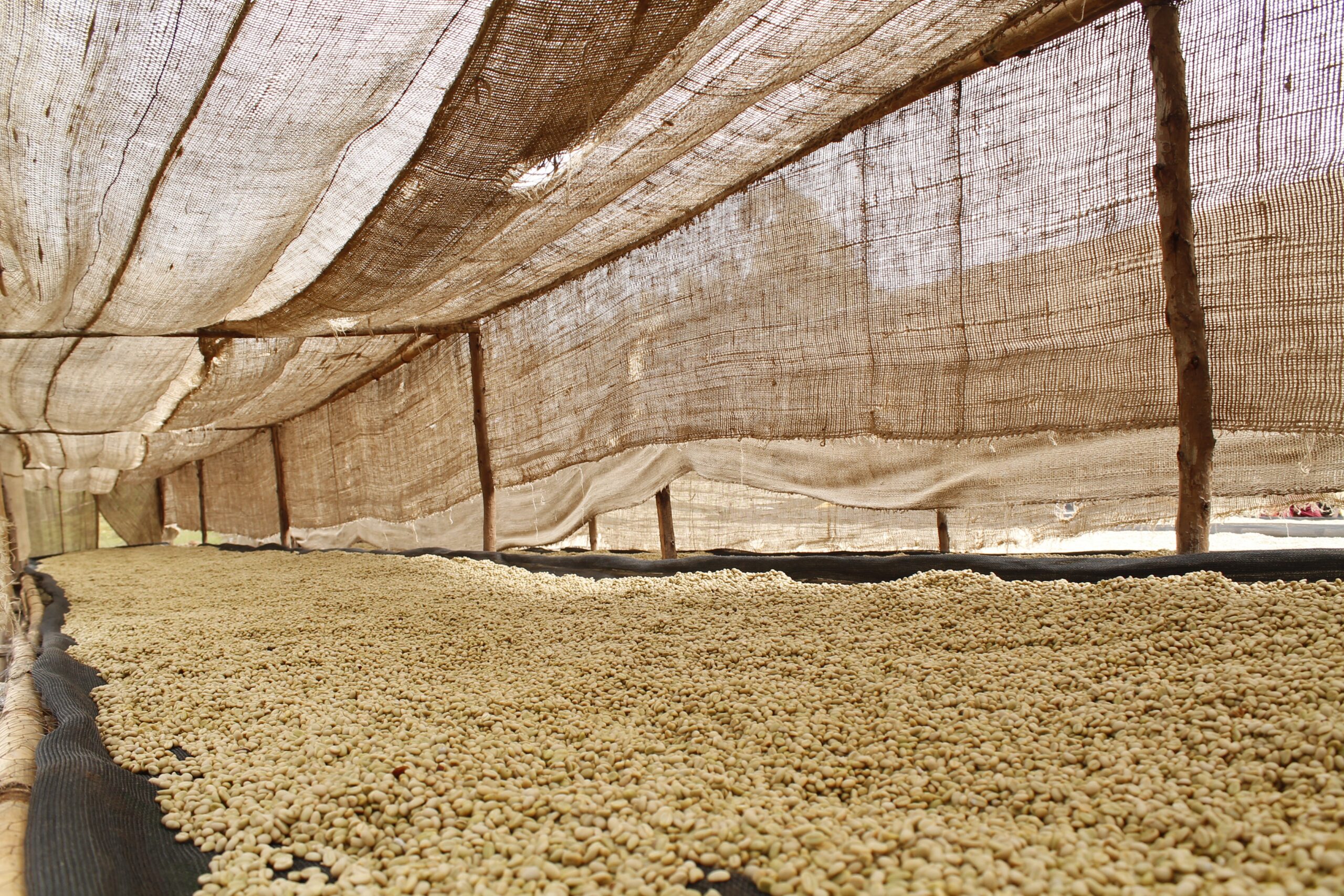
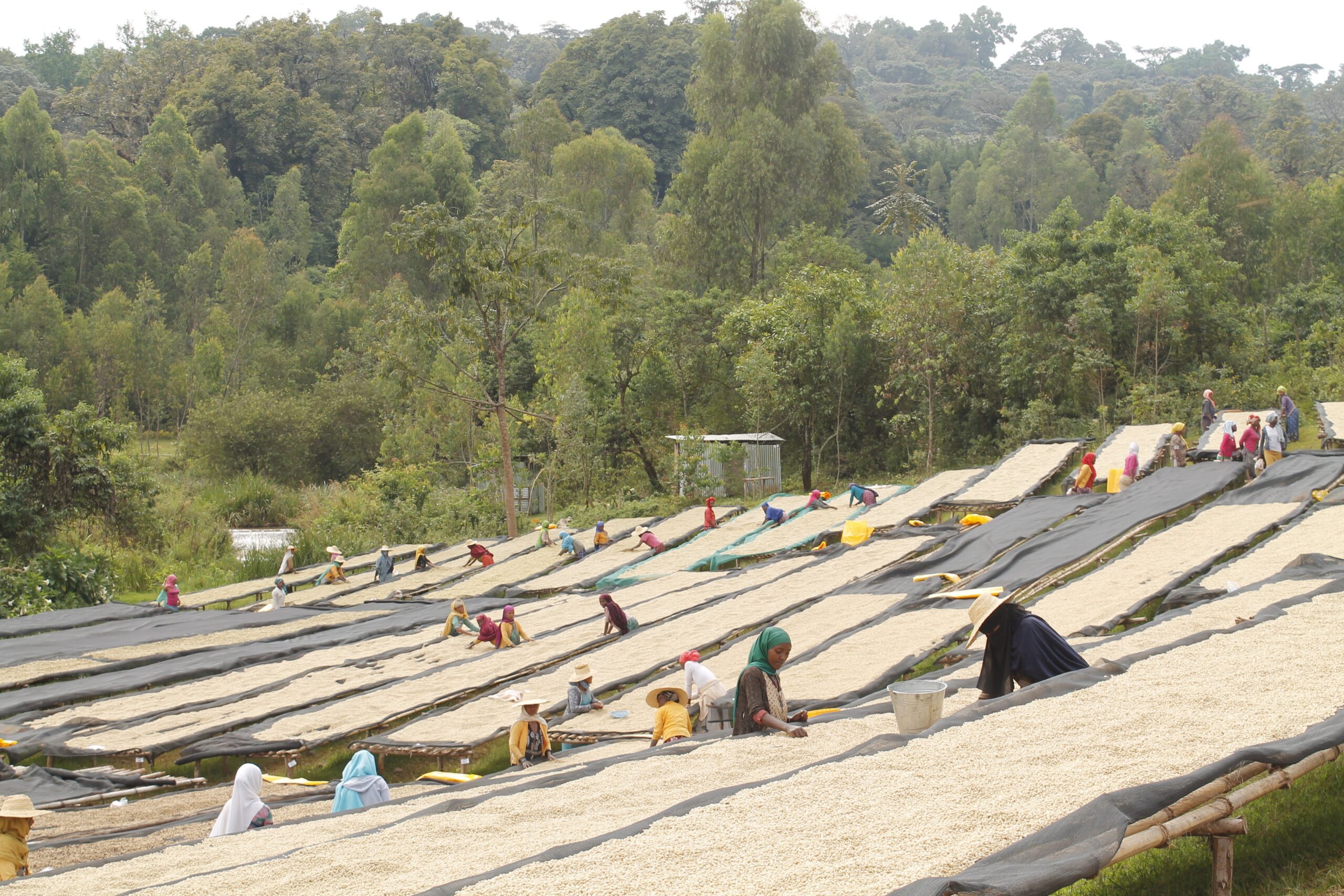
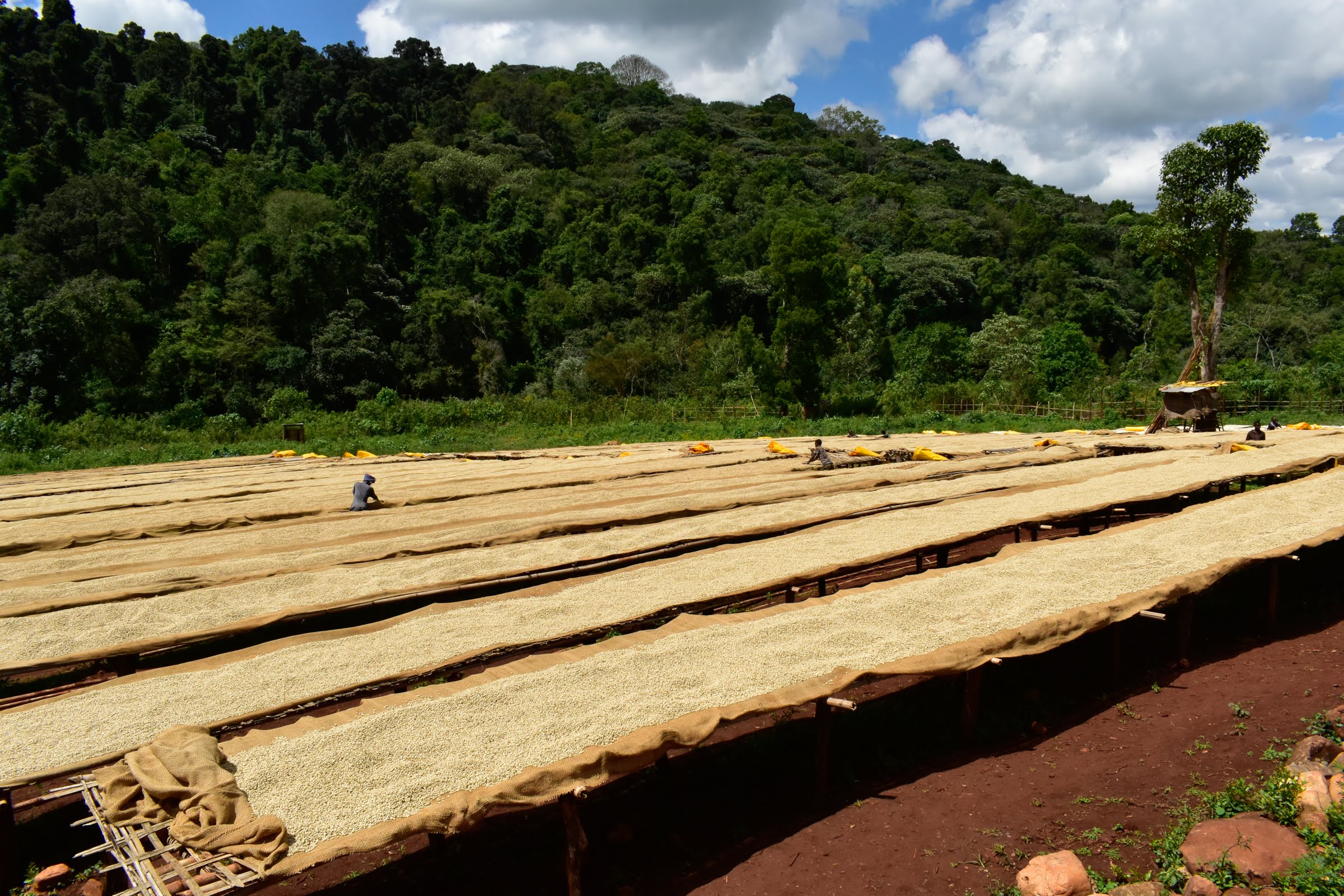
After soaking, parchment is laid on skin drying tables for 1 day to allow as much water to run off as possible. During this time, parchment is carefully inspected by workers who remove any damaged beans because it is easiest to detect damages when parchment is wet.
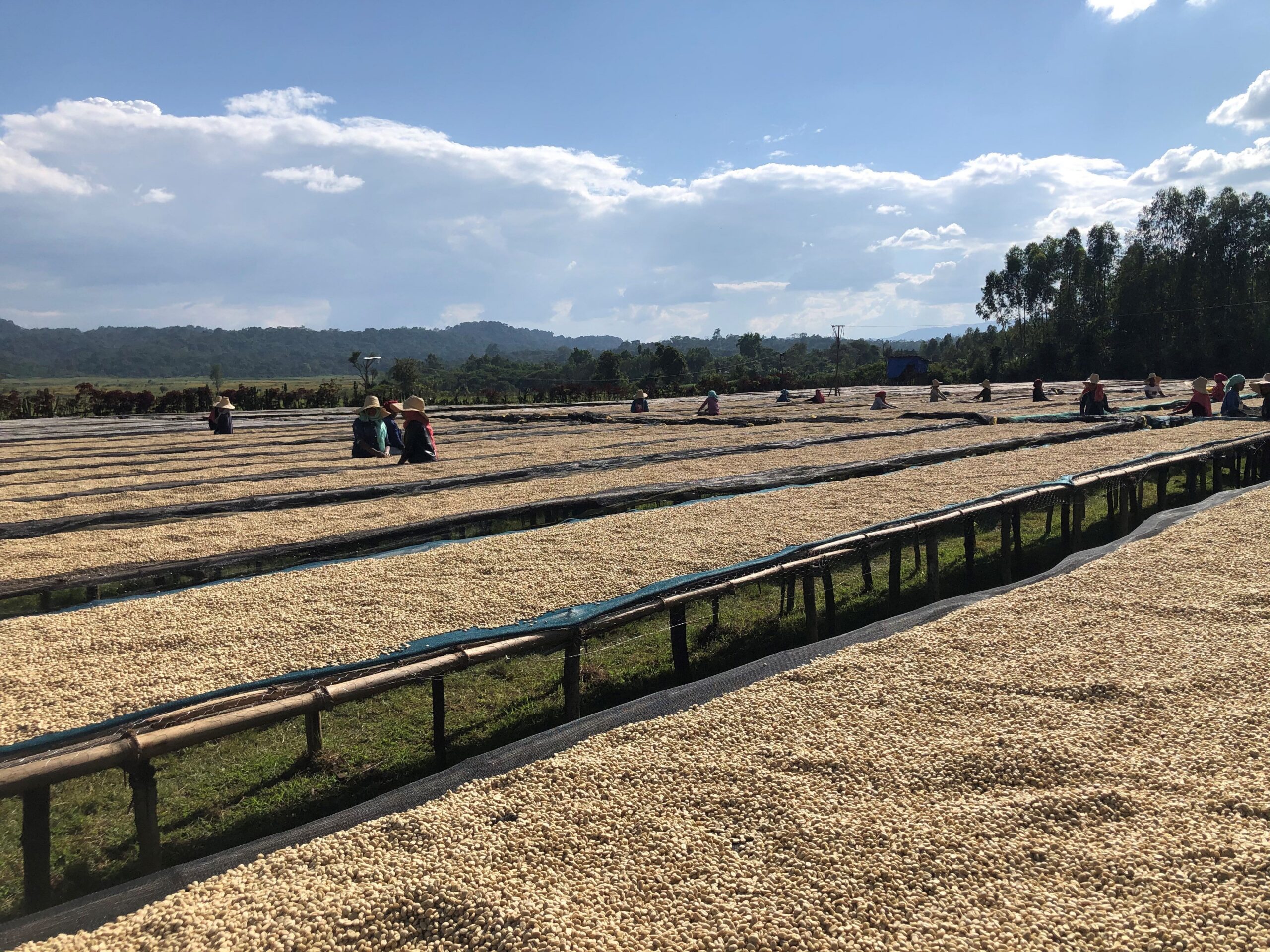
The next day, parchment is moved to raised drying tables to sundry slowly. Parchment is raked frequently to ensure even drying. It takes between 9 and 12 days for parchment to dry.